- Stress and anxiety
- Trauma and abuse
- CBT and DBT tools
About Spela
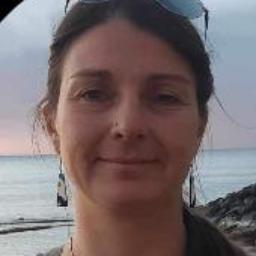
Spela Bertoncelj is a licensed clinical social worker (LCSW) practicing in Montana with four years of professional experience. She works with people struggling with stress, anxiety, trauma and abuse, anger, self-esteem, and coping with life changes. Her practice centers on helping clients reconnect with their own strengths. She encourages small, practical steps when things feel overwhelming.
Spela believes the person in therapy knows their story best. She uses that perspective to guide sessions rather than imposing a single path. Conversations focus on what is most important right now and on clear, doable changes that make daily life more manageable.
In session she draws on client-centered methods alongside evidence-based tools from cognitive behavioral approaches and dialectical behavior strategies. That mix helps when someone needs straightforward ways to manage difficult thoughts, strong emotions, or patterns that keep repeating. She also uses solution-focused and motivational interviewing techniques to support goal setting and follow-through.
Sessions tend to be practical and brief when needed, with an emphasis on skills you can try between meetings. Spela also works on deeper issues like attachment, abandonment, guilt, and forgiveness when clients are ready. She can help with life transitions, communication problems, and the stress that comes with caregiving or chronic illness.
Spela offers help in English and accepts international clients. Her practice uses a subscription model that can be canceled at any time. To begin, people complete a short matching questionnaire and schedule a first session.
How her approaches translate to online work
Spela commonly combines client-centered therapy with cognitive behavioral therapy and dialectical behavior therapy in her work. Client-centered therapy focuses on listening and reflecting so clients can make sense of their own experience. Cognitive behavioral therapy looks at thoughts and behaviors and teaches practical strategies to shift unhelpful patterns. Dialectical behavior therapy offers skills for managing strong emotions and improving distress tolerance.Choosing the right approach is a collaborative process. Spela will talk with each person about goals, preferences, and what has or hasn’t helped before. Together they decide whether to focus on skills training, problem-solving, or deeper emotional work and adjust the plan over time.
Confirm the current session options before booking, as formats are not specified here. Online work can make it easier to fit sessions into a busy life, for example by reducing travel time, allowing shorter check-ins when needed, or making it simpler to meet between commitments. These practical benefits help people keep therapy consistent while addressing mood, anxiety, or life changes.
Areas of expertise
Primary focus
Additional focus areas
Therapeutic approaches
Experience
4+ years
Credentials
Montana
Languages
English
Frequently asked questions
What concerns does she address?
She works with stress, anxiety, trauma and abuse, anger, self-esteem, and coping with life changes, plus many related concerns like attachment issues and isolation.
What methods does she use in sessions?
Spela uses client-centered therapy alongside cognitive behavioral therapy and dialectical behavior therapy, with motivational interviewing and solution-focused techniques as needed.
How much experience does she have?
She is a Montana LCSW with four years of professional experience working with the listed concerns.
Where is she licensed and practicing?
She holds an LCSW credential in Montana and practices from that state.
Can sessions be conducted in other languages?
Sessions are offered in English.
Does she work with international clients?
Yes, she accepts international clients.
How are sessions paid for?
Sessions use a subscription that can be canceled at any time and costs vary with location.
How do I start a first session?
Select the See online therapy options button, complete a short matching questionnaire, and schedule a first session.
Before you reach out
- Check that the state license on record covers the state you live in.
- You do not need a diagnosis or the right words. Saying "my mood has been up and down" or "I have felt low for weeks" is a fine place to start.
- Counselors offer talking support. Questions about medication belong with a doctor or psychiatrist, and the two can go side by side.
- A profile shows the topics a counselor lists; it is not a diagnosis or a promise of any result.
If you feel unsafe right now, call or text 988, or call 911.