- Relationship problems
- Grief and loss
- Coping with life changes
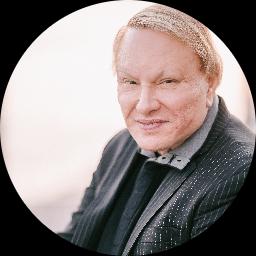
About Stephen
Stephen Gullo is a Licensed Mental Health Counselor (LMHC) in New York with 40 years of professional experience. He helps people with relationship problems, grief and loss, eating concerns, career difficulties, and coping with life changes. He works with adults who feel stuck, overwhelmed, or uncertain about next steps.
He views each person as the expert on their own story and looks for strengths to build on. Sessions focus on practical steps and clearer thinking rather than long lectures. Conversations are direct and respectful, and he helps people name what matters most to them.
Stephen draws on evidence-based therapeutic techniques to address mood shifts, attachment struggles, and the fallout from separation or loss. He works on managing difficult feelings, improving relationship patterns, and reducing the impact of shame or isolation. He also supports people dealing with body image and eating concerns in the context of daily life.
Over four decades he has helped people handle career transitions and caregiver stress. That experience informs a steady, pragmatic way of working when life is changing fast. He aims to make sessions useful for the week ahead, not just for understanding the past.
If someone wants to begin, he asks them to complete a short matching questionnaire and schedule a first session. The subscription used for sessions can be canceled at any time, and cost varies with location.
Approaches and working online
Stephen uses evidence-based therapeutic techniques to help people manage mood shifts and relational difficulties. One approach focuses on identifying unhelpful patterns in thoughts and behavior and testing small changes in daily life to reduce distress and improve functioning. Another approach addresses attachment and relationship patterns by helping people recognize recurring interaction styles and try different ways of relating to others. Choosing the right approach is part of the work. He will discuss options with each person and decide together what techniques fit their goals and preferences. That collaborative process helps tailor sessions around what feels most useful in practice. Practical benefits of online work include fitting sessions into a busy week and keeping continuity during life changes. Because formats are not specified in his biography, confirm current session options before booking. Online sessions can make it easier to have shorter check-ins, reduce travel time, or schedule appointments around work and caregiving demands.Areas of expertise
Primary focus
Additional focus areas
Experience
40+ years
Credentials
New York
Languages
English
Frequently asked questions
What concerns does he help with?
He helps with relationship issues, grief and loss, eating concerns, career difficulties, and coping with life changes. Additional focus areas include attachment, shame, isolation, mood disorders, and related issues.
What is his therapy style?
He uses straightforward, practical sessions that highlight a person's strengths. The work emphasizes clearer thinking and steps you can try between appointments.
How much experience does he have?
He has 40 years of professional experience working with adults on a range of life and relationship challenges.
What are his credentials and location?
He is a Licensed Mental Health Counselor (LMHC) licensed in New York and practices from that state.
In what language are sessions offered?
Sessions are offered in English.
Can international clients work with him?
He is not currently accepting international clients.
How does pricing work?
Cost varies with location and sessions are provided through a subscription that can be canceled at any time.
How do I start a first session?
Select the "See online therapy options" button, complete a short matching questionnaire, and schedule a first session.
Before you reach out
- Check that the state license on record covers the state you live in.
- You do not need a diagnosis or the right words. Saying "my mood has been up and down" or "I have felt low for weeks" is a fine place to start.
- Counselors offer talking support. Questions about medication belong with a doctor or psychiatrist, and the two can go side by side.
- A profile shows the topics a counselor lists; it is not a diagnosis or a promise of any result.
If you feel unsafe right now, call or text 988, or call 911.