- CBT techniques
- DBT skills
- Motivational interviewing
About Susan
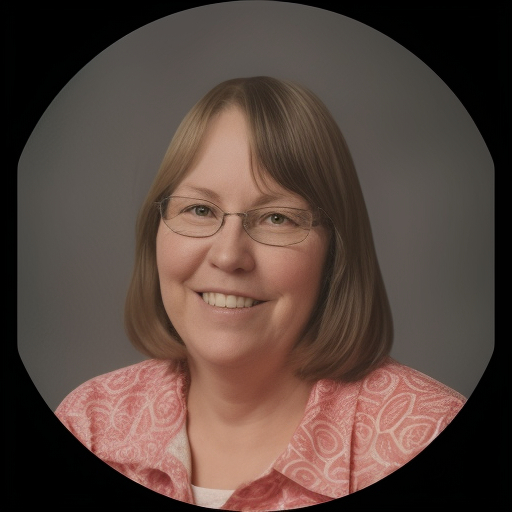
Susan VanHuizen is an LMSW (Licensed Master Social Worker) practicing in Michigan with 20 years of experience. She works with people who are dealing with stress, anxiety, depression, addiction, low self-esteem, and major life changes. Susan focuses on practical steps people can take to feel steadier day to day.
She uses Cognitive Behavioral Therapy and Dialectical Behavior Therapy to help people spot unhelpful thinking and build better coping skills. Mindfulness techniques are introduced to help with emotional regulation and grounding. Motivational Interviewing is used when people need help sorting through ambivalence about change, especially around substance use and recovery.
Susan often supports people managing chronic illness, aging-related concerns, financial stress, and the aftermath of relationship endings. She also works with issues tied to family of origin, codependency, guilt and shame, and feelings of emptiness or isolation. Sessions tend to focus on clear goals and step-by-step strategies rather than abstract talk.
Her approach is interactive and practical. Clients learn specific skills for stress reduction, mood management, and relapse prevention. She helps people rehearse new behaviors and challenges unhelpful patterns in safe, measured ways.
People typically leave sessions with at least one small action to try between meetings. For those needing help sorting priorities after major life changes, she offers structured guidance to rebuild routines and regain a sense of direction.
How therapeutic approaches are used in online sessions
Susan commonly uses Cognitive Behavioral Therapy and Dialectical Behavior Therapy in her work. CBT focuses on identifying unhelpful thoughts and testing them against real-life evidence, which helps with low mood and anxiety. DBT emphasizes skill-building for emotional regulation, distress tolerance, and improving day-to-day coping skills, which can be useful for mood instability and urges related to substance use.Finding the right approach is part of the first sessions. She will collaborate with clients to decide which methods fit best based on goals, current struggles, and what feels workable in daily life. That means adjusting techniques over time rather than committing to a single method from the start.
Session formats are not specified in the biography, so confirm current options before booking. Online work can make it easier to fit therapy into a busy schedule, reduce travel time, and allow for shorter check-ins when needed. It can also let people use mindfulness exercises or skill practice between meetings in familiar routines. Licensed professionals can adapt exercises so skills translate into everyday settings without promising a particular outcome.
Areas of expertise
Additional focus areas
Therapeutic approaches
Experience
20+ years
Credentials
Michigan
Languages
English
Frequently asked questions
What concerns does she address?
She works with stress, anxiety, depression, addiction, low self-esteem, and coping with life changes among other related issues.
What methods does she use in sessions?
Her work draws on Cognitive Behavioral Therapy, Dialectical Behavior Therapy, Mindfulness, and Motivational Interviewing to teach skills and support change.
How much experience does she have?
She has 20 years of clinical experience working with adults on mood and addiction-related concerns.
What are her credentials and where does she practice?
She is an LMSW (Licensed Master Social Worker) practicing in Michigan.
Does she offer sessions in other languages?
Sessions are offered in English.
Can people outside the US work with her?
She does not accept international clients at this time.
How are sessions paid for and what do they cost?
Cost varies with location; sessions use a subscription model that can be canceled at any time.
How do I begin or schedule a first session?
Select the See online therapy options button, complete a short matching questionnaire, and then schedule a first session.
Before you reach out
- Check that the state license on record covers the state you live in.
- You do not need a diagnosis or the right words. Saying "my mood has been up and down" or "I have felt low for weeks" is a fine place to start.
- Counselors offer talking support. Questions about medication belong with a doctor or psychiatrist, and the two can go side by side.
- A profile shows the topics a counselor lists; it is not a diagnosis or a promise of any result.
If you feel unsafe right now, call or text 988, or call 911.