- Stress and anxiety
- Bipolar and depression
- Substance related issues
About Thelma
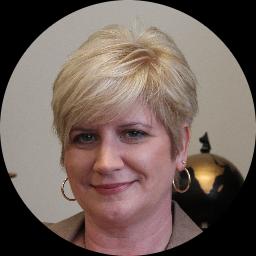
Thelma Hunter is a Licensed Clinical Social Worker (LCSW) licensed in Kentucky with 25 years of professional experience. She works with people coping with stress, anxiety, addictions, mood swings, bipolar disorder, depression, and related concerns such as self-esteem and motivation. Thelma uses straightforward, practical conversations to help people identify strengths and next steps.
She treats each person as the expert on their own life and builds on what already works. Sessions are meant to be direct and goal-focused, with attention to concrete changes a person can try between meetings. Thelma often helps clients break large problems into small, manageable steps.
Her background includes long experience with substance-related issues and mood disorders, and she is familiar with common struggles around relationships, parenting, grief, and trauma. That experience shapes how she approaches treatment plans and coping strategies.
In sessions she listens for patterns that keep problems recurring, then suggests exercises or behavioral changes to test in daily life. She also works with motivation and confidence so people can follow through on those changes. The emphasis is on clear, realistic strategies rather than abstract theory.
People who choose her can expect a practical approach that focuses on moving forward from low periods and irritability. She helps set small goals, track progress, and adjust plans as needed. To begin, follow the site's steps to match and schedule a first session.
Therapeutic approaches and what online sessions offer
Evidence-based therapeutic techniques focus on changing behaviors and building coping skills. One approach helps people identify unhelpful patterns and replace them with small, testable actions to reduce symptoms of depression and mood instability. This method works well for low mood and repeated negative routines.Another practical approach targets cravings and substance use by teaching specific coping strategies, relapse prevention planning, and ways to manage triggers. It breaks recovery into concrete steps people can practice outside sessions. Both approaches emphasize measurable progress and repeated practice rather than abstract discussion.
Finding the right method is part of the work. The therapist will collaborate with each person to choose techniques that fit their goals, needs, and daily life. That means trying options, tracking what helps, and adjusting the plan together over time.
Confirm current session options before booking so you know how sessions are scheduled. Online work can make it easier to fit therapy into busy days, shorten check-ins when needed, or reduce travel time. It allows sessions to be planned around work, caregiving, or other responsibilities without promising a specific format.
Areas of expertise
Primary focus
Also works with
Additional focus areas
Experience
25+ years
Credentials
Kentucky
Languages
English
Frequently asked questions
What kinds of concerns does she address?
She supports people with stress, anxiety, addictions, bipolar disorder, depression, low self-esteem, relationship and parenting challenges, grief, trauma, and related mood concerns.
What is her therapeutic style like?
The approach is practical and goal-focused, with clear conversations and suggested exercises to try between sessions.
How much clinical experience does she have?
She has 25 years of professional work experience supporting people with mood and addiction concerns.
What credentials and where is she based?
She is a Licensed Clinical Social Worker, LCSW, licensed in Kentucky.
In what language are sessions offered?
Sessions are offered in English.
Can international clients work with her?
International clients are not currently accepted.
How are sessions charged?
Cost varies with location; sessions use a subscription that can be canceled at any time.
How do I begin a first session?
Select the See online therapy options button, complete a short matching questionnaire, and schedule a first session.
Before you reach out
- Check that the state license on record covers the state you live in.
- You do not need a diagnosis or the right words. Saying "my mood has been up and down" or "I have felt low for weeks" is a fine place to start.
- Counselors offer talking support. Questions about medication belong with a doctor or psychiatrist, and the two can go side by side.
- A profile shows the topics a counselor lists; it is not a diagnosis or a promise of any result.
If you feel unsafe right now, call or text 988, or call 911.