- CBT methods
- DBT skills
- Trauma work
About Tonya
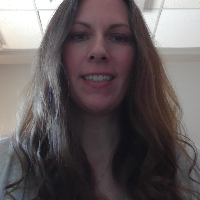
Tonya Carpenter is a Licensed Clinical Social Worker (LCSW) in Montana with seven years of experience. She helps people who struggle with stress, anxiety, depression, trauma and related concerns including substance use, bipolar symptoms, and family or relationship stressors. Tonya uses a direct, straightforward style and prefers asking clear questions rather than making assumptions.
She draws on prior hospital clinical work, school-based behavior intervention, and a yearn to support service members influenced by her own veteran background. Tonya earned her Master of Social Work from the University of Southern California with an emphasis in Military and Veterans Affairs. Her background includes working with adults with disabilities and providing counseling in independent practice.
Tonya’s sessions focus on practical steps and building useful skills. She describes her approach as client-centered and strengths-based, with solution-focused elements to address immediate concerns. She also uses evidence-based tools such as cognitive behavioral therapy (CBT) and dialectical behavior therapy (DBT) to teach coping skills and behavior change.
Trauma work is a central part of her practice, and she pairs trauma-informed methods with motivational interviewing to address substance use and co-occurring disorders. Her style is direct while remaining nonjudgmental, and she emphasizes that people are not broken but are doing the best they can with the tools they have.
Practical matters such as messaging response windows and scheduling are handled with clear expectations. Prospective clients complete a short matching questionnaire and schedule a first session after selecting the See online therapy options button.
Approaches used in online sessions
Tonya uses cognitive behavioral therapy (CBT) to help people identify unhelpful thinking patterns and try practical experiments that change behavior. CBT is often used for low mood, anxiety, and daily coping strategies.She also uses dialectical behavior therapy (DBT) skills to teach emotion regulation, distress tolerance, and improved communication. DBT skills can help when mood swings, strong emotions, or impulsive behaviors make daily life harder.
Finding the right approach is part of the work together. She will discuss options and help choose an approach that fits the client's goals, preferences, and everyday demands. That choice can shift over time as needs change.
The biography does not list specific session formats, so confirm current options before booking. Online sessions can make it easier to fit therapy into a busy week, reduce travel time, and allow shorter check-ins when schedules are tight. They can also let someone join from a quieter spot or avoid being on camera if that helps. Licensed professionals adapt methods so skills and strategies translate into daily life rather than relying on a single delivery style.
Areas of expertise
Also works with
Additional focus areas
Therapeutic approaches
Experience
7+ years
Credentials
Montana
Languages
English
Frequently asked questions
What kinds of concerns does she help with?
She works with stress, anxiety, depression, trauma and substance use, plus related issues such as bipolar symptoms, grief, parenting strain, and relationship problems.
What is her therapeutic style?
Her style is direct and straightforward. She combines a client-centered, strengths-based stance with solution-focused techniques.
How much experience does she have?
She has seven years of professional experience that include hospital clinical work, school-based behavior intervention, and independent practice.
What are her credentials and location?
She is an LCSW licensed in Montana and practices from that state.
Does she offer sessions in other languages?
Sessions are offered in English.
What session formats are available?
Session formats are not listed in the biography. Confirm current session options before booking.
How are costs handled?
Cost varies with location and sessions use a subscription that can be canceled at any time.
How do I get started?
Select the See online therapy options button, complete a short matching questionnaire, and schedule a first session.
Before you reach out
- Check that the state license on record covers the state you live in.
- You do not need a diagnosis or the right words. Saying "my mood has been up and down" or "I have felt low for weeks" is a fine place to start.
- Counselors offer talking support. Questions about medication belong with a doctor or psychiatrist, and the two can go side by side.
- A profile shows the topics a counselor lists; it is not a diagnosis or a promise of any result.
If you feel unsafe right now, call or text 988, or call 911.