- Mood disorders
- Trauma and abuse
- Cognitive behavioral therapy
About Tracey
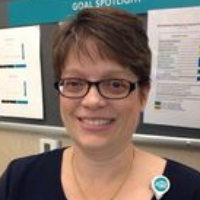
Tracey Beaty is a Licensed Professional Counselor (LPC) and a Licensed Clinical Mental Health Counselor (LCMHC) practicing in North Carolina with 15 years of experience. She works with adults on mood concerns such as depression, bipolar disorder, seasonal affective disorder, and related struggles with self-esteem and coping with life changes.
Clients meet with her to talk through painful events like trauma, sexual assault, domestic violence, and issues connected to adoption, abandonment, or attachment. She uses practical methods to help people identify unhelpful thinking and find clearer ways to handle daily challenges. Sessions focus on concrete steps rather than jargon-heavy theory.
Tracey favors approaches that invite people to speak openly and set their own goals. She draws on Cognitive Behavioral Therapy to reshape thinking patterns and on Client-Centered techniques to keep the conversation focused on the person in front of her. Motivational Interviewing is used when someone needs help clarifying what they want to change and building momentum to try different behaviors.
Her style is direct and respectful. She aims to build trust so people can talk about difficult history and current symptoms without feeling rushed. Work often includes setting small, realistic tasks between sessions and checking progress each week.
Tracey’s background includes many years supporting adults through trauma, mood disorders, and relationship fallout from adoption or abandonment. Many people come for help with managing low mood, mood swings, or life transitions and leave with clearer coping plans.
Approaches used in remote sessions
Client-Centered Therapy focuses on listening and following the client's priorities so the person sets the pace and goals. This approach helps when someone needs an accepting space to talk about mood swings, abandonment, or trauma and decide what matters most to work on.Cognitive Behavioral Therapy (CBT) looks at thoughts, feelings, and actions to find patterns that keep low mood or anxiety going. CBT provides practical tools for changing thinking habits and trying small behavior changes that can improve daily functioning.
Motivational Interviewing helps when a person feels stuck or unsure about change. It uses guided conversation to clarify goals and strengthen motivation for trying new coping strategies.
Finding the right approach is part of the work. The therapist will collaborate with each person to choose which methods to emphasize based on symptoms, goals, and personal preferences. That choice can shift as progress is made.
The biography does not list specific online formats, so confirm available session types before booking. Online work can make it easier to fit sessions into a busy week, allow shorter check-ins when needed, and reduce travel time. It also lets people continue steady support while handling life transitions without promising particular session features.
Areas of expertise
Primary focus
Additional focus areas
Therapeutic approaches
Experience
15+ years
Credentials
North Carolina, South Carolina
Languages
English
Frequently asked questions
What concerns does she address?
She works with adults on depression, bipolar disorder, mood disorders, and related issues like self-esteem and coping with life changes.
What methods does she use in sessions?
She uses Client-Centered Therapy, Cognitive Behavioral Therapy (CBT), and Motivational Interviewing to help people identify patterns and take practical steps.
How much experience does she have?
She has 15 years of clinical experience working with adults on trauma, mood concerns, and relationship issues tied to adoption and abandonment.
What are her credentials and where is she located?
She holds LPC and LCMHC credentials and practices in North Carolina.
Does she work in other languages or with international clients?
Sessions are offered in English and she is not accepting international clients.
Which session formats are offered?
The original biography does not specify session formats, so please confirm current session options before booking.
How are fees handled?
Cost varies with location and sessions use a subscription that can be canceled at any time.
What do I need to do to get started?
Select the See online therapy options button, complete the short matching questionnaire, and schedule a first session.
Before you reach out
- Check that the state license on record covers the state you live in.
- You do not need a diagnosis or the right words. Saying "my mood has been up and down" or "I have felt low for weeks" is a fine place to start.
- Counselors offer talking support. Questions about medication belong with a doctor or psychiatrist, and the two can go side by side.
- A profile shows the topics a counselor lists; it is not a diagnosis or a promise of any result.
If you feel unsafe right now, call or text 988, or call 911.