
Yelitza Gallimore
LCMHCNorth Carolina · 11 yrs exp
Licensed Clinical Mental Health Counselor - Mood and Anxiety
Stress, Anxiety · Parenting · Addictions · LGBT · +8 more
Read profileTherapist listings come from BetterHelp. We will earn a commission at no extra cost to you if you use our links to buy.
Welcome to MoodCounselors.org's directory of online therapists serving North Carolina. All therapists listed hold a current North Carolina license, so you can review clinicians' approaches, focus areas, credentials, and languages as you explore.
North Carolina · 11 yrs exp
Licensed Clinical Mental Health Counselor - Mood and Anxiety
Stress, Anxiety · Parenting · Addictions · LGBT · +8 more
Read profile
North Carolina · 12 yrs exp
Licensed Clinical Mental Health Counselor - Mood and Anxiety
Stress, Anxiety · Family · Self esteem · Depression · +8 more
Read profile
North Carolina · 25 yrs exp
LCSW - Mood and Trauma support
Stress, Anxiety · Relationship · Trauma and abuse · Grief · +1 more
Read profile
North Carolina · 13 yrs exp
LCSW and LISW-CP - Mood and behavior concerns
Stress, Anxiety · Addictions · Grief · Anger · +11 more
Read profile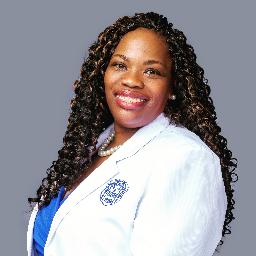
North Carolina · 14 yrs exp
Licensed Clinical Social Worker - Mood and anxiety concerns
Stress, Anxiety · Relationship · Family · Grief · +12 more
Read profile
North Carolina · 35 yrs exp
LCSW in North Carolina - Mood and relationship concerns
Stress, Anxiety · Relationship · Trauma and abuse · Self esteem · +7 more
Read profile
North Carolina · 15 yrs exp
LCSW - Mood and relationship concerns
Stress, Anxiety · Relationship · Trauma and abuse · Self esteem · +1 more
Read profile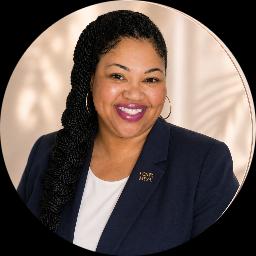
North Carolina · 22 yrs exp
LCSW - Mood and relationship concerns
Stress, Anxiety · Relationship · Family · Self esteem · +1 more
Read profile
North Carolina · 5 yrs exp
Licensed Marriage and Family Therapist - Mood and Relationships
Stress, Anxiety · Relationship · Family · Parenting · +12 more
Read profile
North Carolina · 25 yrs exp
LCMHC - Mood and anxiety support
Stress, Anxiety · Addictions · Family · Trauma and abuse · +11 more
Read profile
North Carolina · 11 yrs exp
LCSW - Mood and life changes
Stress, Anxiety · Grief · Self esteem · Depression · +1 more
Read profile
North Carolina · 24 yrs exp
Licensed Clinical Social Worker - Mood and Trauma
Stress, Anxiety · Relationship · Family · Trauma and abuse · +14 more
Read profile
North Carolina · 12 yrs exp
LCSW - Mood and relationship concerns
Stress, Anxiety · Family · Parenting · Self esteem · +13 more
Read profile
North Carolina · 6 yrs exp
Licensed Clinical Mental Health Counselor - Mood and Relationships
Stress, Anxiety · Relationship · Parenting · Self esteem · +7 more
Read profile
North Carolina · 20 yrs exp
Licensed counselor - Mood and addiction concerns
Stress, Anxiety · Addictions · LGBT · Relationship · +1 more
Read profile
North Carolina · 20 yrs exp
Licensed Clinical Mental Health Counselor - Depression and Family issues
Family · Trauma and abuse · Parenting · Depression · +1 more
Read profile
North Carolina · 6 yrs exp
LCMHC in North Carolina - Mood and anxiety concerns
Stress, Anxiety · Relationship · Parenting · Self esteem · +3 more
Read profile
North Carolina · 16 yrs exp
LCMHC in North Carolina - Mood and relationship concerns
Stress, Anxiety · Relationship · Trauma and abuse · Grief · +7 more
Read profile
North Carolina · 4 yrs exp
LCMHC in North Carolina - Mood and Relationships
Relationship · Trauma and abuse · Grief · Depression · +1 more
Read profile
North Carolina · 51 yrs exp
Licensed counselor - Mood and relationship concerns
Relationship · Intimacy-related issues · Parenting · Self esteem · +12 more
Read profile
North Carolina · 20 yrs exp
LCSW - Mood and addiction concerns
Stress, Anxiety · Addictions · Trauma and abuse · Grief · +11 more
Read profile
North Carolina · 14 yrs exp
LCSW - Mood and relationship concerns
Stress, Anxiety · Addictions · Relationship · Self esteem · +7 more
Read profile
North Carolina · 20 yrs exp
LCMHC - Mood disorders and Anxiety
Stress, Anxiety · Addictions · Trauma and abuse · Grief · +1 more
Read profile
North Carolina · 17 yrs exp
Licensed Clinical Mental Health Counselor - Family and Mood concerns
Family · Trauma and abuse · Depression · Stress, Anxiety · +11 more
Read profileIf you live in North Carolina you have access to a growing array of therapists who offer sessions online. Many clinicians provide video or phone options so that you can meet with a licensed professional from home, a workplace break, or another safe environment. Online therapy in North Carolina is delivered by licensed counselors, social workers, psychologists, and marriage and family therapists who are authorized to practice with residents of the state. Regulations require therapists to be licensed in the state where the client is located at the time of the session, so the directory focuses on clinicians who list a North Carolina license on their profiles.
The technological formats vary - some therapists use live video platforms, others offer telephone sessions, and a number of clinicians supplement synchronous work with text-based messaging or structured exercises you can do between sessions. While services and business models differ, the common thread is that you can connect with clinicians who practice therapeutic approaches that align with your needs and preferences. Because online therapy can cross geographic boundaries within the state, you can find therapists who bring different specialties and language abilities than those in your immediate community.
Online therapy can reduce logistical barriers that sometimes make in-person care difficult. You can save commute time in urban areas like Charlotte or Raleigh, or avoid long drives if you live in rural counties. That convenience makes it easier to maintain consistent appointments when life is busy or transportation is limited. For individuals juggling work, childcare, or schooling, meeting remotely can fit therapy into your schedule without sacrificing other responsibilities.
Another advantage is access to a broader range of clinical styles and cultural backgrounds. If you prefer a therapist who speaks a language other than English, works with a particular community, or uses specific approaches, searching online expands the pool of clinicians you can consider. Many people also find that meeting from a familiar environment helps them feel more at ease and better able to focus on the therapeutic work. Online options can complement in-person care or serve as the primary way you receive mental health support, depending on your situation and preference.
Therapists who offer online services in North Carolina commonly work with people dealing with anxiety, depression, stress, relationship challenges, life transitions, and grief. You can also find clinicians who focus on trauma, parenting concerns, substance use, workplace stress, identity and LGBTQ+ issues, and the emotional strains of caregiving. Many therapists describe their expertise through a list of approaches and populations they work with; for example, you may find clinicians who list CBT among their approaches, or therapists who list mindfulness-based methods among their approaches, or therapists who list EMDR among their approaches.
How these approaches are used depends on the clinician you choose and the needs you bring to sessions. Some therapists emphasize short-term, skills-based work aimed at symptom reduction, while others focus on deeper relational patterns or long-term personal growth. You can look for clinicians who mention specific focus areas, age groups, family structures, or the cultural communities they work with. The important point is that online therapy can be adapted to address a wide range of everyday and complex concerns, and the directory lets you read each profile to understand the approaches and populations a clinician highlights.
Verifying a therapist's license helps you confirm that a clinician is authorized to practice in North Carolina. Start by noting the license type listed on a therapist's profile - common license types include licensed clinical social worker, licensed clinical mental health counselor, licensed psychologist, and licensed marriage and family therapist. Once you have the license type and the clinician's full name, locate the appropriate North Carolina licensing board website or the state government portal that hosts license verification tools. Many boards provide an online license lookup where you can enter a name or license number to see status details.
When you review a license record, look for the license status, issuance and expiration dates, and any public disciplinary actions. You can also confirm the profession that the license covers, since scope of practice differs between social work, counseling, psychology, and marriage and family therapy. If the online lookup is unclear, call or email the licensing board and ask for guidance on how to interpret the record. You may also ask the therapist for their license number and the board that issued it; a clinician should be able to provide that information so you can complete your verification. Keeping a record of the license verification is a practical step when you start working with a clinician.
Pay attention to whether the license is listed as active, whether it is a clinical-level license, and whether any restrictions or sanctions are noted. Licensing records sometimes include renewal information and continuing education requirements, which can give you insight into how the clinician maintains their practice. If you have specific concerns about practice scope or legal authority to provide certain treatments online, a call to the licensing board will give authoritative answers.
Beginning online therapy is straightforward, but a little preparation will help you make the most of your first sessions. Start by clarifying what you want from therapy - symptom relief, relationship support, coping skills, or long-term exploration. Use those priorities to filter profiles by focus areas and therapeutic approaches. Read practitioner biographies to learn about their professional background, the populations they work with, and any languages they offer. When a clinician lists an approach, such as CBT or psychodynamic work, remember that the listing indicates the approaches they use rather than a formal certification claim.
Before your first session, check the technical requirements. Confirm whether the clinician uses video, phone, or both, and whether they provide materials or exercises between sessions. Find a quiet, uninterrupted space where you feel comfortable to talk and reflect. If you live with others, plan how to create a time and place that allows for privacy and focus, such as a room with a door you can close or a time when others are out. Consider what information you want to share on intake paperwork so the therapist understands your history and current concerns.
When evaluating clinicians, consider asking about their experience with the issues you bring, the kinds of approaches they use, how they measure progress, and how they handle crises or sudden changes in your needs. You might inquire about session length, typical frequency, fee structure, and whether they work with insurance or offer other payment options. If matching cultural background or language is important to you, look for clinicians who list those attributes on their profiles. Trust your instincts - the therapeutic relationship is a key part of effective work, and it is reasonable to speak with a few clinicians to get a sense of style and fit before committing to ongoing sessions.
Online therapy can be a flexible, accessible way to seek support while staying within the framework of North Carolina's licensing rules. By learning how to verify a license, preparing for the technical side of sessions, and asking targeted questions about a clinician's approaches and focus areas, you can make an informed choice. Use the directory to explore profiles, compare credentials and specialties, and find a licensed online therapist whose approach and experience align with your goals.
Addictions
2600 therapists
ADHD
2285 therapists
Anger
3004 therapists
Bipolar
2542 therapists
Control Issues
2741 therapists
Depression
5371 therapists
Grief
3505 therapists
Guilt and Shame
4302 therapists
Impulsivity
2693 therapists
Isolation / Loneliness
4159 therapists
Midlife Crisis
1992 therapists
Panic Disorder and Panic Attacks
3340 therapists
Post-Traumatic Stress
4048 therapists
Postpartum Depression
1675 therapists
Seasonal Affective Disorder (SAD)
2093 therapists
Self Esteem
4697 therapists
Sleeping Disorders
1134 therapists
Social Anxiety and Phobia
4120 therapists
Stress & Anxiety
5686 therapists
Trauma and Abuse
4339 therapists
Abandonment
2687 therapists
Attachment Issues
2970 therapists
Body Image
2017 therapists
Career
2259 therapists
Caregiver Issues and Stress
3096 therapists
Codependency
2279 therapists
Communication Problems
4700 therapists
Compassion Fatigue
2173 therapists
Coping with Life Changes
4286 therapists
Divorce
2943 therapists
Family
3378 therapists
Forgiveness
3727 therapists
Life Purpose
4129 therapists
Parenting
2741 therapists
Relationship
4099 therapists
Self-Love
4202 therapists
Workplace Issues
2932 therapists