- Depression support
- Anxiety and panic
- Trauma and abuse
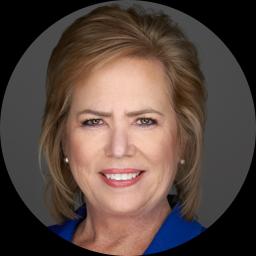
About Verna
Verna Nichols Foust is an LPC (Licensed Professional Counselor) based in Oklahoma with six years of experience. She works with adults who are struggling with depression, anxiety, trauma and abuse, stress, self-esteem problems, and coping with life changes.
She offers straightforward talk therapy that focuses on practical steps. Sessions address low mood, overwhelming worry, panic, and recurring negative thoughts. She also helps people manage caregiver stress, chronic illness and pain, workplace pressures, and difficult transitions such as divorce or postpartum adjustment.
Verna pays attention to how past family relationships affect present behavior. She talks through feelings of abandonment, guilt, shame, and emptiness, and helps to rebuild communication skills. First responder stress and personality-related concerns are also within her practice focus.
Her style is respectful and calm, aimed at making complex problems easier to understand. She works with people who wrestle with isolation, jealousy, or control issues and offers tools to reduce distress and improve day-to-day functioning.
Sessions are conducted in English and follow evidence-based therapeutic techniques. To begin, clients complete a short matching questionnaire and schedule an initial appointment. Costs vary by location and are provided via a subscription that can be canceled at any time.
Therapeutic approaches and working online
Verna uses evidence-based therapeutic techniques to address mood and stress. One common approach focuses on recognizing and changing unhelpful thought patterns to reduce low mood and excessive worry. This involves learning to spot automatic negative thoughts and testing whether they match reality, which can lessen depressive and anxious feelings.Another approach emphasizes behavioral change - gradually increasing activities that bring a sense of accomplishment or pleasure and reducing avoidance. This method helps with low energy, isolation, and panic by building manageable routines and small steps toward normal activity.
Finding the right approach is a collaborative process. She will work with each person to identify what fits their needs, goals, and preferences, and will adapt techniques as sessions progress so the plan stays useful and realistic.
Session formats are not specified in the biography, so confirm current options before booking. Many people find online sessions helpful because they can fit therapy into a busy day, use less travel time, and choose quieter surroundings that suit them. If you prefer a shorter check-in or need to avoid being on camera, mention that when you schedule so options can be discussed.
Areas of expertise
Additional focus areas
Experience
6+ years
Credentials
Oklahoma
Languages
English
Frequently asked questions
What concerns does she address?
She works with depression, anxiety, trauma and abuse, stress, low self-esteem, and coping with life changes along with related issues like isolation and caregiver stress.
What is her therapeutic style?
Her approach is calm and practical, focused on talking through problems and learning skills to manage mood, worry, and day-to-day challenges.
How much experience does she have?
She has six years of experience as a licensed counselor working with adults on mood and stress-related concerns.
What are her credentials and location?
She holds an LPC credential and practices in Oklahoma.
Which languages are supported?
Sessions are offered in English.
Can people outside the U.S. work with her?
She does not accept international clients at this time.
How are sessions arranged and what do they cost?
Costs vary with location and services are billed through a subscription that can be canceled at any time.
How do I begin a first session?
Use the See online therapy options button, complete a short matching questionnaire, and then schedule your initial appointment.
Before you reach out
- Check that the state license on record covers the state you live in.
- You do not need a diagnosis or the right words. Saying "my mood has been up and down" or "I have felt low for weeks" is a fine place to start.
- Counselors offer talking support. Questions about medication belong with a doctor or psychiatrist, and the two can go side by side.
- A profile shows the topics a counselor lists; it is not a diagnosis or a promise of any result.
If you feel unsafe right now, call or text 988, or call 911.