- Client-Centered Therapy
- Cognitive Behavioral Therapy
- Mindfulness practices
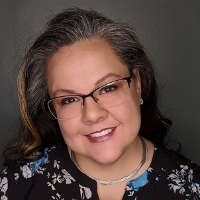
About Vickie
Vickie Lucero is a Licensed Professional Counselor (LPC) in Colorado with 16 years of counseling experience since becoming licensed in 2011. She lists stress, anxiety, addictions, trauma and abuse, depression, bipolar concerns, ADHD, and related difficulties such as sleep problems and anger among the issues she addresses. Vickie also notes work with LGBT concerns, intimacy-related issues, parenting strains, and career concerns.
Before licensure she worked in mental health roles starting in 1996. Her background includes positions in the Department of Human Services, community mental health, inpatient and outpatient addiction treatment centers, and nonprofit clinic work. Those settings contributed to experience with people facing complex, overlapping problems.
Vickie describes her style as eclectic and practical. She draws on Client-Centered methods along with Cognitive Behavioral Therapy, Solution-Focused techniques, Motivational Interviewing, and Mindfulness-based work depending on what a person needs. Sessions focus on concrete strategies, brief skills practice, and reviewing what helps between meetings.
She reports significant experience with trauma, substance use, depression, anxiety, anger, parenting issues, gender dysphoria, and personality-related concerns. That experience informs how she matches approaches to each person’s situation.
Her statements emphasize collaboration and selecting methods that fit the individual. Prospective clients who want to know more about session options are encouraged to confirm current formats before booking.
How therapeutic approaches are used in online sessions
Vickie commonly draws on Cognitive Behavioral Therapy and Mindfulness Therapy in her work. CBT focuses on identifying unhelpful thoughts and testing them with small behavioral experiments, which can help with mood swings, anxiety, and depressive thinking. Mindfulness Therapy involves brief attention and breathing practices to reduce reactivity and support better sleep and emotion regulation.She also uses Client-Centered Therapy to prioritize the person’s perspective and goals. That approach emphasizes listening, reflecting what matters to the client, and shaping interventions around their priorities. Together these methods are explored collaboratively so the person and therapist can agree on what feels most useful.
Practical benefits of online work include fitting sessions into a busy week and saving travel time. Online sessions can make it easier to have shorter check-ins, schedule appointments around work, or choose encounters that do not require being on camera. The original biography does not specify which remote formats are offered, so confirm the current session options before booking.
Areas of expertise
Primary focus
Also works with
Additional focus areas
Therapeutic approaches
Experience
16+ years
Credentials
Colorado
Languages
English
Frequently asked questions
What concerns does she address?
She lists stress, anxiety, depression, bipolar concerns, addictions, trauma and related issues such as sleep problems, anger, and self-esteem.
What therapeutic style does she use?
She describes an eclectic, practical approach using Client-Centered methods plus CBT, Solution-Focused techniques, Motivational Interviewing, and Mindfulness Therapy as needed.
How much experience does she have?
She has worked in mental health since 1996 and has been a Licensed Professional Counselor since 2011, giving her 16 years as an LPC.
What credentials and location are listed?
She holds the LPC credential in Colorado and practices from that state.
Which languages are supported?
Sessions are offered in English.
Does she work with international clients?
International clients are not currently accepted.
What are the session formats?
The biography does not specify exact session formats; confirm current session options before booking.
How are fees handled and how do I begin?
Cost varies with location and sessions use a subscription that can be canceled at any time. To get started, select the See online therapy options button, complete the short matching questionnaire, and schedule a first session.
Before you reach out
- Check that the state license on record covers the state you live in.
- You do not need a diagnosis or the right words. Saying "my mood has been up and down" or "I have felt low for weeks" is a fine place to start.
- Counselors offer talking support. Questions about medication belong with a doctor or psychiatrist, and the two can go side by side.
- A profile shows the topics a counselor lists; it is not a diagnosis or a promise of any result.
If you feel unsafe right now, call or text 988, or call 911.