- Depression and anxiety
- Client-centered methods
- CBT and mindfulness
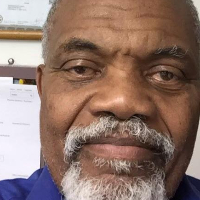
About Washington
Washington Cisco is an LCSW (Licensed Clinical Social Worker) practicing in Illinois with 39 years of experience. He works with people who face stress, anxiety, relationship strain, grief, sleep problems, and depression. He also helps with issues like abandonment, attachment concerns, chronic illness or pain, and difficulties around communication and control.
He spent many years working with children and youth from 1986 to 2003, and later returned to outpatient work with both children and adults in 2013. Currently he works in the prison system with adults ranging from age 19 to 70. Those roles have given him long-term experience with a wide range of life problems and coping challenges.
In sessions he keeps a listening-first approach. He aims to understand without judgment and centers the client's own goals and choices. He describes his role as someone who listens and supports clients as they figure out practical ways to function and cope better.
Washington uses several evidence-informed methods, including client-centered work, cognitive behavioral techniques, mindfulness, motivational interviewing, and solution-focused strategies. He blends these approaches to address thinking patterns, practical problem solving, motivation, and present-moment awareness.
People who meet with him can expect straightforward conversations about what is getting in the way of daily functioning. He focuses on clear steps, coping skills, and small changes that can ease symptoms and improve day-to-day routines. His background includes long practice across community and correctional settings.
Therapeutic approaches and online sessions
Washington commonly draws on client-centered therapy and cognitive behavioral therapy in his work. Client-centered therapy focuses on listening and following the client's lead, helping people clarify their goals and choices. Cognitive behavioral therapy looks at thought patterns and behaviors and uses practical exercises to change unhelpful habits and ease mood symptoms.He also uses mindfulness techniques to help people notice thoughts and feelings without getting overwhelmed, and motivational interviewing to build motivation for change. Choosing an approach is a collaborative process. He will work with each person to decide which methods best match their needs, goals, and preferences rather than imposing one way of working.
Confirm current session options before booking so you know what formats are offered. Online sessions can make it easier to fit therapy into a busy day, shorten travel time, and allow for quieter surroundings or a brief check-in during a break. They can also let someone focus on skill practice or problem solving without needing to be on site. Ask about the available session formats when you complete the matching questionnaire and schedule your first appointment.
Areas of expertise
Primary focus
Additional focus areas
Therapeutic approaches
Experience
39+ years
Credentials
Illinois
Languages
English
Frequently asked questions
What concerns does he work with?
He supports people dealing with stress, anxiety, relationship strain, grief, sleep problems, and depression, along with related issues such as abandonment, attachment, and chronic illness or pain.
What therapeutic approaches does he use?
He uses client-centered therapy, cognitive behavioral techniques, mindfulness therapy, motivational interviewing, and solution-focused strategies to address thinking patterns and practical coping.
How much experience does he have?
He has 39 years of experience, including work with children and youth, outpatient adult care since 2013, and current work in the prison system with adults ages 19 to 70.
What are his credentials and where is he based?
He is an LCSW (Licensed Clinical Social Worker) licensed in Illinois and practices in that state.
Which languages are sessions offered in?
Sessions are offered in English.
Can international clients work with him?
He is not currently accepting international clients.
How are sessions paid for and what does it cost?
Cost varies with location; sessions use a subscription that can be canceled at any time.
How do I begin if I want to work with him?
Start by selecting the See online therapy options button, complete a short matching questionnaire, and schedule a first session.
Before you reach out
- Check that the state license on record covers the state you live in.
- You do not need a diagnosis or the right words. Saying "my mood has been up and down" or "I have felt low for weeks" is a fine place to start.
- Counselors offer talking support. Questions about medication belong with a doctor or psychiatrist, and the two can go side by side.
- A profile shows the topics a counselor lists; it is not a diagnosis or a promise of any result.
If you feel unsafe right now, call or text 988, or call 911.