- Stress and depression
- Attachment focus
- English and Spanish
About Yolanda
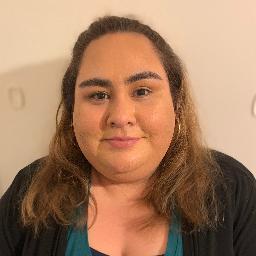
Yolanda Batres-Espinoza is a California Licensed Marriage and Family Therapist (LMFT) with five years of clinical experience. She lists stress, anxiety, depression, trauma and abuse, bipolar concerns, and relationship issues among the areas she addresses. She also notes work with LGBT clients and offers sessions in both English and Spanish.
Yolanda trained at Fuller Theological Seminary, earning a Master of Science in Marriage and Family Therapy with an emphasis in Medical Family Therapy. Early personal experience with therapy inspired her career path and informs her interest in making treatment accessible to underserved communities.
Her background includes work in community mental health settings in East Los Angeles. There she provided services to individuals and families facing stigma, limited resources, and complex life stressors. That work shaped her focus on trauma, depression, anxiety, and caregiving or family-of-origin problems.
Her approach draws on several methods, including attachment-based ideas, client-centered listening, cognitive behavioral techniques, mindfulness, and motivational interviewing. She has training in Trauma-Focused Cognitive Behavioral Therapy and applies practical tools drawn from these models during sessions.
Yolanda notes additional focus areas such as grief, anger, self-esteem, career concerns, ADHD, caregiver stress, chronic illness, and issues around abandonment and attachment. She welcomes people who want to talk through mood swings, long low periods, or the interpersonal problems that often feed into mood concerns.
To start, she asks prospective clients to complete a short matching questionnaire and schedule a first session. The therapist uses a subscription payment model that can be canceled at any time, and she accepts international clients.
Therapeutic approaches used in online care
Yolanda uses client-centered therapy to prioritize listening and responding to what matters most to the client. That approach focuses on understanding a person's perspective and supporting their decisions, which can help with low mood and relationship concerns.She also draws on Cognitive Behavioral Therapy (CBT) techniques to identify unhelpful thoughts and patterns and to practice different ways of responding. CBT tools can be useful for anxiety, depression, bipolar mood management, and coping with life changes.
Finding the right mix of methods is part of the work. She will collaborate with each person to choose which approaches to try based on their goals, preferences, and the issues they bring. That collaborative process helps shape session focus and homework between meetings.
Confirm the available session formats before booking, as the biography does not list specific delivery methods. Online sessions can make it easier to fit therapy into a busy schedule, reduce travel time, and allow shorter check-ins when needed. Discuss format preferences during the matching questionnaire and the first appointment so the plan fits everyday life.
Areas of expertise
Primary focus
Also works with
Additional focus areas
Therapeutic approaches
Experience
5+ years
Credentials
California
Languages
English, Spanish
Frequently asked questions
What kinds of concerns does she address?
She works with stress, anxiety, depression, trauma and abuse, bipolar concerns, relationship problems, and related issues like grief, anger, self-esteem, and caregiver stress.
What is her therapeutic style?
She uses attachment-based work, client-centered listening, cognitive behavioral methods, mindfulness, and motivational interviewing to build practical skills and understanding.
How much clinical experience does she have?
She has five years of professional experience providing mental health services in community settings and independent practice roles.
What are her credentials and where is she based?
She is a California Licensed Marriage and Family Therapist (CA LMFT) and practices from California.
Does she offer sessions in other languages?
Sessions are offered in English and Spanish.
Can people outside the United States work with her?
She accepts international clients; confirm any local licensing or access requirements before booking.
How are sessions paid for?
Sessions are billed through a subscription model that varies with location and can be canceled at any time.
How do I begin a first session?
Start by selecting the See online therapy options button, complete a short matching questionnaire, and then schedule a first session.
Before you reach out
- Check that the state license on record covers the state you live in.
- You do not need a diagnosis or the right words. Saying "my mood has been up and down" or "I have felt low for weeks" is a fine place to start.
- Counselors offer talking support. Questions about medication belong with a doctor or psychiatrist, and the two can go side by side.
- A profile shows the topics a counselor lists; it is not a diagnosis or a promise of any result.
If you feel unsafe right now, call or text 988, or call 911.