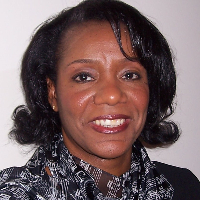
Cynthia Crockett
LPCDistrict of Columbia · 10 yrs exp
Licensed Professional Counselor - Mood and Relationships
Stress, Anxiety · Relationship · Grief · Intimacy-related issues · +9 more
Read profileTherapist listings come from BetterHelp. We will earn a commission at no extra cost to you if you use our links to buy.
Welcome to MoodCounselors.org's directory for online therapists serving the District of Columbia. All therapists listed here are licensed in the District of Columbia, so you can review profiles with confidence. Explore the listings to compare credentials, specialties, and therapeutic approaches.
District of Columbia · 10 yrs exp
Licensed Professional Counselor - Mood and Relationships
Stress, Anxiety · Relationship · Grief · Intimacy-related issues · +9 more
Read profile
District of Columbia · 20 yrs exp
Licensed LICSW - Mood and Anxiety
Stress, Anxiety · Family · Self esteem · Depression · +1 more
Read profile
District of Columbia · 16 yrs exp
District of Columbia LICSW - Mood and Relationship Concerns
Stress, Anxiety · LGBT · Relationship · Family · +6 more
Read profile
District of Columbia · 14 yrs exp
Licensed Professional Counselor - Mood and Anxiety
Stress, Anxiety · Grief · Bipolar · Depression · +1 more
Read profile
District of Columbia · 25 yrs exp
LICSW - Mood and ADHD support
Coping with life changes · Coaching · ADHD
Read profile
District of Columbia · 20 yrs exp
LPC in DC - mood and relationship concerns
Stress, Anxiety · Relationship · Self esteem · Depression · +1 more
Read profile
District of Columbia · 29 yrs exp
LPC - Mood and anxiety concerns
Stress, Anxiety · Trauma and abuse · Anger · Self esteem · +5 more
Read profile
District of Columbia · 20 yrs exp
Licensed Professional Counselor - Stress and Anxiety
Stress, Anxiety · LGBT · Grief · Self esteem · +1 more
Read profile
District of Columbia · 8 yrs exp
Licensed Professional Counselor - Mood and relationship concerns
Stress, Anxiety · Relationship · Family · Self esteem · +1 more
Read profile
District of Columbia · 40 yrs exp
LICSW - Mood and stress focused
Stress, Anxiety · Sleeping · Depression · Coaching · +1 more
Read profile
District of Columbia · 24 yrs exp
LICSW - Mood and Relationship Concerns
Stress, Anxiety · Relationship · Family · Trauma and abuse · +15 more
Read profile
District of Columbia · 9 yrs exp
Licensed Professional Counselor - Mood and Anxiety
Stress, Anxiety · Relationship · Self esteem · Depression · +1 more
Read profile
District of Columbia · 33 yrs exp
Licensed Professional Counselor - Mood and Anxiety
Stress, Anxiety · Grief · Self esteem · Depression · +1 more
Read profileIf you are exploring online therapy in the District of Columbia, you will find a variety of practitioners who provide counseling and psychotherapy through video, phone, or messaging. The landscape has expanded in recent years, and many licensed clinicians maintain an online practice either exclusively or in combination with in-person work. As you look through profiles you will notice differences in credentials, professional focus, and the ways therapists describe their work. Some profiles emphasize particular populations such as young adults, parents, or LGBTQ+ clients, while others highlight approaches or settings they commonly work with. Because licensure rules and practice details can vary by discipline, profiles often include a license type and the jurisdiction where that license is held. That information can help you understand whether a therapist’s practice aligns with the District of Columbia context and the kind of support you want to receive.
Online therapy in the District of Columbia operates within state and local regulations that guide practice, recordkeeping, and professional conduct. Those regulations affect how clinicians provide remote care and what information they must share with prospective clients. When you search for a clinician, pay attention to qualifications listed in the profile, the therapeutic approaches they describe, and any notes about working with specific issues or communities. Profiles are a useful first step in narrowing your search, but you may want to follow up with questions about how a therapist structures remote sessions and how they handle practical matters like fees and insurance.
Online therapy offers practical advantages that may be especially helpful if you live in the District of Columbia. You can reduce commute time and avoid the logistical barriers of travel between neighborhoods or across the city. That convenience makes it easier to fit sessions into a busy week and can improve continuity when life circumstances shift. For many people, remote sessions also expand the pool of clinicians you can consider, allowing you to find someone who works with your specific concerns, speaks your language, or shares cultural understanding.
Beyond convenience, online therapy can increase access to clinicians with niche areas of expertise that may not be available nearby. If you have mobility limitations, caregiving responsibilities, or an irregular schedule, virtual sessions can create options that in-person care may not. Many people report that the ability to receive care from home or another familiar setting helps them stay engaged in treatment over time. It is important to choose a setting that supports your privacy and comfort, such as a quiet space in your home or another quiet environment, and to confirm that the therapist has clear information about how they protect client privacy and data.
Online therapists work with a broad range of emotional, relational, and life transition issues. You will often find clinicians who describe experience supporting people coping with anxiety, depression, stress, grief, relationship challenges, career transitions, parenting concerns, and life-stage adjustments. Trauma-related work and support for survivors is also commonly listed, with some therapists noting trauma-informed approaches or specific techniques among their methods. For concerns such as substance use, eating-related issues, or severe mental health conditions, profiles will often indicate the clinician’s areas of focus and the populations they see, which can help you determine fit. When reading profiles, you will also encounter therapists who list cognitive behavioral therapy, psychodynamic therapy, mindfulness-based strategies, couples therapy, and EMDR among their approaches. That language indicates the approaches a clinician uses in practice, but it does not substitute for asking about how they apply those methods in sessions.
Many therapists note particular experience working with cultural, identity, or community-specific concerns. If cultural competence or language is important to you, look for profiles that describe experience with your identity, background, or the issues you want to address. The District is diverse, and finding someone who understands your cultural context can make sessions feel more relevant and respectful. Profiles may also list languages spoken, which is useful if you prefer therapy in a language other than English.
Verifying a clinician’s license is an important step in choosing a therapist. Start by locating the license information on the therapist's profile - many profiles include a license type, the licensing jurisdiction, and sometimes a license number. With that information you can use the District of Columbia government licensing search tools to confirm that the license is active and to view any public disciplinary records. When you search, look for the license status, expiration date, and the professional title associated with the license. If the profile does not include a license number, you can search by the clinician’s full name and professional title. If you have questions about interpreting the results or want further confirmation, contact the appropriate licensing board or consumer protection office that oversees the profession in the District of Columbia.
When you verify a license, you are confirming that the clinician has met the educational and testing requirements for the credential they list, and that they are authorized to practice in the District of Columbia under that credential. You can also use the licensing lookup to see whether there are public records of disciplinary action or restrictions. These records are part of public oversight and can inform your decision. Remember that a license type indicates the regulatory category of the clinician - for example, licensed clinical social worker or licensed professional counselor - and that each category has different educational pathways and scopes of practice.
Getting started with online therapy begins with clarifying what you want from counseling. Think about the issues you want to address, whether you prefer a particular therapeutic approach, the population a clinician typically works with, and practical factors such as session length, fees, and whether you plan to use insurance. Use the directory profiles to create a short list of clinicians who match those preferences. When you reach out to a clinician you can ask about how they structure remote sessions, how progress is typically measured, and what a few early sessions might focus on. Asking these practical questions helps you imagine what working together would feel like and whether the clinician’s style fits your expectations.
Choosing a therapist is a personal process. Credentials and approaches matter, but so do rapport and how comfortable you feel expressing yourself. It is reasonable to prioritize clinicians who describe experience with issues similar to yours, who communicate clearly about what to expect, and who offer a practice style that matches your needs. If something does not feel right after a few sessions, it is acceptable to look for a different match. Therapy tends to be most effective when you and your clinician have a shared sense of goals and a working method that feels attainable. Take time to read profiles, consider languages and cultural background, and prepare questions that matter to you before an initial conversation. That preparation will help you make an informed choice and begin work that supports your goals in the District of Columbia context.
Making the decision to pursue online therapy is a step toward getting help that fits your life. Use the directory to compare qualifications, approaches, and areas of focus, and contact clinicians to learn more about how they work. With some careful review and a clear sense of your goals, you can find an online therapist in the District of Columbia who is well matched to your needs and preferences.
Addictions
2658 therapists
ADHD
2321 therapists
Anger
3045 therapists
Bipolar
2587 therapists
Control Issues
2823 therapists
Depression
5508 therapists
Grief
3557 therapists
Guilt and Shame
4422 therapists
Impulsivity
2768 therapists
Isolation / Loneliness
4287 therapists
Midlife Crisis
2041 therapists
Panic Disorder and Panic Attacks
3430 therapists
Post-Traumatic Stress
4156 therapists
Postpartum Depression
1705 therapists
Seasonal Affective Disorder (SAD)
2144 therapists
Self Esteem
4800 therapists
Sleeping Disorders
1142 therapists
Social Anxiety and Phobia
4234 therapists
Stress & Anxiety
5837 therapists
Trauma and Abuse
4411 therapists
Abandonment
2757 therapists
Attachment Issues
3067 therapists
Body Image
2078 therapists
Career
2285 therapists
Caregiver Issues and Stress
3161 therapists
Codependency
2339 therapists
Communication Problems
4843 therapists
Compassion Fatigue
2196 therapists
Coping with Life Changes
4382 therapists
Divorce
3013 therapists
Family
3425 therapists
Forgiveness
3831 therapists
Life Purpose
4262 therapists
Parenting
2767 therapists
Relationship
4185 therapists
Self-Love
4327 therapists
Workplace Issues
3005 therapists