- Depression and anxiety
- Addiction support
- Attachment issues
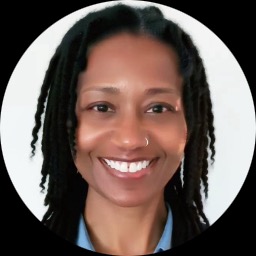
About Adrianna
Adrianna Wilson is a Licensed Professional Counselor (LPC) and Licensed Clinical Mental Health Counselor (LCMHC) practicing in North Carolina with ten years of experience. She works with people facing depression, anxiety, stress, trauma, addiction, and life changes. Adrianna also supports clients dealing with identity questions, shame, guilt, and relationship problems.
Adrianna offers straightforward, practical support for low mood and frequent mood swings. She helps people notice patterns that keep them stuck and builds simple skills to manage intense moments. Sessions focus on clear goals, coping tools, and better daily routines rather than long lectures.
Her work includes care for those recovering from domestic violence and people navigating substance use concerns. She also helps with attachment wounds, codependency, and the fallout from infidelity or abandonment. Adrianna addresses dissociation and impulsivity with concrete strategies aimed at improving safety and stability.
Adrianna brings cultural awareness to conversations about gender and sexual identity. She supports LGBTQ+ people and others working through gender dysphoria and identity-related stress. Communication skills and rebuilding trust are common topics in her sessions.
With a decade of practice, Adrianna balances practical tools and steady listening. She asks questions, sets manageable steps, and checks progress each visit. People who are tired of feeling up and down often find the direct approach helpful.
How evidence-based approaches translate to remote care
Adrianna uses evidence-based therapeutic techniques that focus on managing mood and building skills. One approach emphasizes identifying unhelpful thinking and changing it through practical exercises that reduce low mood and rumination. Another approach concentrates on behavioral activation - scheduling small, achievable activities to lift energy and interrupt long low periods. These methods aim to give clear steps someone can practice between sessions.Finding the right therapeutic method is part of the work. Adrianna will discuss different techniques and test what fits the client's needs, goals, and daily life. She works collaboratively to adjust methods as progress is tracked and new challenges appear.
The original biography does not list specific session formats, so please confirm the available online options before booking. Online sessions can make it easier to fit therapy into a busy schedule, reduce travel time, and allow shorter check-ins when people need brief support. They can also help when video is difficult by offering alternatives that use less bandwidth or a simpler setup. Ask about current session arrangements when you start the matching process.
Areas of expertise
Additional focus areas
Experience
10+ years
Credentials
North Carolina, South Carolina
Languages
English
Frequently asked questions
What kinds of concerns does she help with?
She works with depression, anxiety, stress, trauma, and addictions along with life transitions and relationship problems.
What is her approach in sessions?
She uses evidence-based therapeutic techniques focused on practical skills, pattern recognition, and goal setting to manage mood and impulsivity.
How much clinical experience does she have?
Adrianna has ten years of experience working with a range of mental health concerns, including trauma recovery and substance use.
What are her credentials and where does she practice?
She holds LPC and LCMHC credentials and practices in North Carolina.
Does she offer sessions in other languages?
Sessions are offered in English.
Can I work with her from outside the United States?
International clients are not currently accepted.
What session formats are used?
The original profile does not specify formats; please confirm current session options before booking.
How are fees and payments handled?
Cost varies with location and sessions use a subscription that can be canceled at any time.
Before you reach out
- Check that the state license on record covers the state you live in.
- You do not need a diagnosis or the right words. Saying "my mood has been up and down" or "I have felt low for weeks" is a fine place to start.
- Counselors offer talking support. Questions about medication belong with a doctor or psychiatrist, and the two can go side by side.
- A profile shows the topics a counselor lists; it is not a diagnosis or a promise of any result.
If you feel unsafe right now, call or text 988, or call 911.