- CBT strategies
- Attachment focus
- Emotion regulation
About Alina
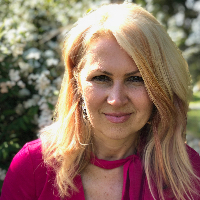
Alina Ghitea is a Licensed Marriage and Family Therapist (LMFT) practicing in Florida with six years of clinical experience. She works with people who are dealing with stress, anxiety, depression, relationship and intimacy issues, mood fluctuations, and life transitions. Sessions focus on concrete problems like panic, low mood, anger, and career-related stress, as well as longer-standing concerns such as trauma, grief, and family of origin difficulties.
Her background blends several evidence-informed approaches. She uses elements of cognitive behavioral therapy to identify unhelpful thinking patterns and build practical coping skills. Attachment-based and emotionally-focused ideas guide conversations about how patterns in relationships shape feelings and reactions. Dialectical behavior strategies are drawn on to help with emotion regulation and distress tolerance when feelings feel overwhelming.
In sessions she takes a client-centered stance, listening closely and responding to what matters most to the person in front of her. That can mean practicing new communication habits, setting limits around work or family, or rehearsing ways to manage panic and social anxiety. She also addresses issues tied to adoption and foster care, multicultural concerns, immigration stress, and parenting challenges.
Alina works with people managing bipolar mood swings, ADHD, compassion fatigue, and the ripple effects of trauma and abuse. Her approach is practical and relational - focusing on what can be done now to reduce suffering and improve daily functioning. People who contact her are invited to describe current struggles and decide together on next steps.
She offers therapy in English and practices under her FL LMFT credential. Before a first session she asks people to complete a brief matching questionnaire so they can schedule an initial appointment that fits their needs.
How therapeutic approaches guide online work
Attachment-based therapy looks at how past and present relationship patterns influence current mood and behavior. It helps people notice how they relate to others and learn different ways to feel calmer and more connected. Cognitive behavioral therapy (CBT) focuses on identifying unhelpful thoughts and testing new behaviors. It is often used for anxiety, depression, panic, and mood-related difficulties as a way to build practical coping skills.Finding the right approach is part of the work. The therapist will collaborate with each person to choose which methods to emphasize based on their goals, symptoms, and preferences. That collaborative decision is revisited as progress is made and needs change.
If you plan to work online, confirm the exact session formats before booking since current session options are set by the provider. Many people appreciate the practical benefits of remote sessions: they can fit appointments into a workday, avoid travel time, or choose a shorter phone check-in when energy is low. Other practical advantages include easier scheduling around caregiving or work and the ability to continue sessions during life transitions. Discuss format and timing during intake to find an arrangement that fits everyday life.
Areas of expertise
Primary focus
Also works with
Additional focus areas
Therapeutic approaches
Experience
6+ years
Credentials
Florida
Languages
English
Frequently asked questions
What concerns does she help with?
She helps people cope with stress, anxiety, depression, mood swings, relationship and intimacy issues, and related problems like panic, grief, and trauma.
What methods does she use in sessions?
Her work draws on cognitive behavioral techniques, attachment-based ideas, emotionally-focused practices, dialectical behavior tools, and a client-centered way of listening and responding.
How much clinical experience does she have?
She has six years of experience working as a therapist with people facing a range of mood and relationship concerns.
What are her credentials and where does she practice?
She is an LMFT practicing in Florida and works under her FL LMFT credential.
Which languages are supported?
Sessions are offered in English.
Can people outside the US work with her?
She does not accept international clients at this time.
How are sessions paid for and what do they cost?
Costs vary by location; sessions use a subscription model that can be canceled at any time.
How do I begin if I want to schedule a session?
Use the See online therapy options button, complete a short matching questionnaire, and then schedule your first session.
Before you reach out
- Check that the state license on record covers the state you live in.
- You do not need a diagnosis or the right words. Saying "my mood has been up and down" or "I have felt low for weeks" is a fine place to start.
- Counselors offer talking support. Questions about medication belong with a doctor or psychiatrist, and the two can go side by side.
- A profile shows the topics a counselor lists; it is not a diagnosis or a promise of any result.
If you feel unsafe right now, call or text 988, or call 911.