- Anxiety support
- Depression help
- Client-Centered Therapy
About Caryl
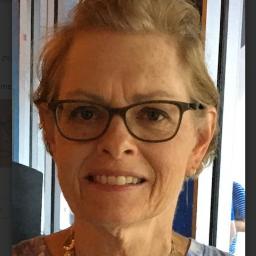
Caryl Brady is a Licensed Clinical Social Worker (LCSW) in Florida with five years of professional experience. She works with people who are coping with anxiety, depression, grief, low self-esteem, and major life changes. She also addresses mood disorder concerns and related struggles such as isolation and guilt.
She takes a person-centered approach, treating the client as the expert on their life. Sessions focus on identifying strengths and using them to face challenges. Conversations are practical and straightforward, with attention to what is most pressing for the client right now.
Caryl helps people process loss and grief, manage stressful periods, and build confidence after setbacks. She also supports those dealing with control and attachment issues, forgiveness, and feelings of shame. Work can include clarifying values, improving everyday coping skills, and exploring sources of loneliness or disconnection.
People who are navigating pregnancy and childbirth concerns or midlife changes can bring those issues to sessions. She offers a direct style that centers on the client's priorities and pace. Over time the focus can shift from symptom reduction to rebuilding routines and meaning in day-to-day life.
Her practice emphasizes steady progress through small, achievable steps. Prospective clients in Florida who want to learn more are guided through a short matching questionnaire and an initial scheduling process to set up their first appointment.
Client-centered approaches and online sessions
Client-Centered Therapy focuses on listening to the client's experience and building on their strengths. The therapist offers attentive, nonjudgmental listening and follows the client's lead to identify what matters most. This approach can help with low mood, grief, and struggles with self-worth by clarifying personal goals and practical steps forward.Finding the right way to work together is part of the process. The therapist will discuss your needs, goals, and preferences and together you will choose what feels most useful. That might mean focusing on immediate coping skills first or taking time to process deeper losses over several sessions.
Session formats are not specified in the biography, so please confirm the current options before booking. Online sessions can make it easier to fit therapy into a busy life, reduce travel time, and allow shorter check-ins when a full session is not possible. Therapists and licensed professionals often use these advantages to keep progress steady while accommodating daily schedules.
Areas of expertise
Additional focus areas
Therapeutic approaches
Experience
5+ years
Credentials
Florida
Languages
English
Frequently asked questions
What kinds of concerns does she address?
She works with stress, anxiety, depression, grief, self-esteem issues, and coping with life changes. Additional focus areas include mood disorders, attachment and control issues, and feelings of isolation or shame.
What is her therapeutic approach and style?
She uses Client-Centered Therapy, which focuses on the client's perspective and strengths. Sessions are conversational and aim to help people identify practical steps forward.
How much experience does she have?
She has five years of professional experience working with people facing anxiety, depression, grief, and related concerns.
What are her credentials and where is she based?
She is a Licensed Clinical Social Worker (LCSW) licensed in Florida and practices from that state.
Which languages are supported for sessions?
Sessions are offered in English.
Does she work with international clients?
She does not accept international clients at this time.
How are sessions paid for and what about cost?
Cost varies with location and sessions use a subscription model that can be canceled at any time.
How do I get started if I want to meet with her?
Begin by selecting the See online therapy options button, completing a short matching questionnaire, and scheduling a first session.
Before you reach out
- Check that the state license on record covers the state you live in.
- You do not need a diagnosis or the right words. Saying "my mood has been up and down" or "I have felt low for weeks" is a fine place to start.
- Counselors offer talking support. Questions about medication belong with a doctor or psychiatrist, and the two can go side by side.
- A profile shows the topics a counselor lists; it is not a diagnosis or a promise of any result.
If you feel unsafe right now, call or text 988, or call 911.