- Mood disorders
- Cognitive Behavioral Therapy
- Solution-focused work
About Catherine
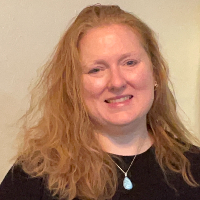
Catherine Barbour is a Licensed Clinical Social Worker (LCSW) in Florida with four years of post-licensure experience. She works with people facing depression, anxiety, mood shifts, and related concerns such as grief, addiction, and parenting stress. Catherine mentions helping with family and communication problems, chronic illness effects, and coping after trauma or loss.
She trained in social work at the University of Central Florida and holds a BA from Emory University. Her background includes work as a medical social worker in a hospital system, in-home counseling, and an outdoor therapeutic program for teens. Those roles gave her direct experience with anxiety, bipolar disorder, substance issues, ADHD, and abuse-related concerns.
Her approach blends client-centered listening with practical methods. She draws on solution-focused work and cognitive behavioral techniques to set small, manageable goals. Trauma-focused methods are used when past harm affects current mood or behavior.
Sessions emphasize skills people can use between meetings. Catherine focuses on clearer communication, coping strategies for low mood, and steps to reduce intense reactivity like anger or panic. She also supports people facing caregiver strain, isolation, or life changes.
She sees each person as an individual and works collaboratively to choose steps that fit day-to-day life. The aim is to reduce immediate distress and build routines that help manage mood over time.
How her approaches translate to online work
Client-centered therapy focuses on listening and responding to what matters most to the person. In practice this means the therapist asks about immediate concerns and adjusts the session to the client's priorities, which is helpful for mood and stress issues.Cognitive Behavioral Therapy (CBT) looks at the links between thoughts, feelings, and actions. It teaches concrete tools for managing low mood, anxiety, and panic, such as activity scheduling and thought records that people can use between sessions.
Trauma-focused work concentrates on how past events affect current mood and behavior. It uses careful, paced steps to reduce the hold of traumatic memories and to build coping strategies for triggers and flashbacks.
Finding the right mix of methods is part of the work. The therapist will collaborate with the client to choose approaches that match goals, preferences, and the problems they want to address. That choice may shift as therapy progresses.
The practical benefits of online work include easier scheduling and fitting sessions into a weekday or evening routine. Confirm the specific session formats available before booking, since formats are not listed here. Online sessions can make it simpler to have shorter check-ins, avoid travel time, and continue steady work on mood and coping skills without rearranging major commitments.
Areas of expertise
Primary focus
Also works with
Additional focus areas
Therapeutic approaches
Experience
4+ years
Credentials
Florida
Languages
English
Frequently asked questions
What kinds of problems does she help with?
Catherine works with depression, anxiety, mood swings, grief, trauma, addiction, parenting stress, and related concerns such as chronic illness impact and communication problems.
What style of therapy does she use?
She uses a client-centered approach and combines solution-focused techniques and Cognitive Behavioral Therapy to set practical goals and build coping skills.
How much clinical experience does she have?
She holds an LCSW and has four years of experience since licensure, with prior roles in hospitals, in-home counseling, and outdoor programs for teens.
Where is she licensed to practice?
She is a Florida Licensed Clinical Social Worker (FL LCSW) practicing from Florida.
Which languages are sessions offered in?
Sessions are offered in English.
Does she work with clients outside the United States?
International clients are not accepted at this time.
How are sessions paid for?
Cost varies with location and sessions use a subscription model that can be canceled at any time.
How do I begin a first session?
Select the See online therapy options button, complete a short matching questionnaire, and schedule your first session.
Before you reach out
- Check that the state license on record covers the state you live in.
- You do not need a diagnosis or the right words. Saying "my mood has been up and down" or "I have felt low for weeks" is a fine place to start.
- Counselors offer talking support. Questions about medication belong with a doctor or psychiatrist, and the two can go side by side.
- A profile shows the topics a counselor lists; it is not a diagnosis or a promise of any result.
If you feel unsafe right now, call or text 988, or call 911.