- CBT methods
- DBT skills
- Mindfulness therapy
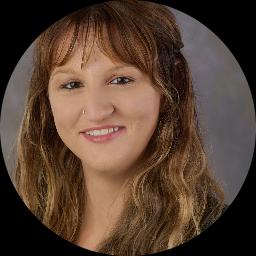
About Chelsey
Chelsey Lee is a Licensed Professional Counselor (LPC) and Licensed Clinical Mental Health Counselor (LCMHC) with five years of experience in clinical work in North Carolina. She works with people facing stress, anxiety, trauma and abuse, depression, mood swings, and concerns around self-esteem and motivation. Sessions focus on practical ways to manage day-to-day mood shifts and cope with major life changes.
She uses straightforward conversation to help people name what they are feeling and find workable steps forward. She draws on client-centered methods so the person in the room helps guide the focus. Cognitive Behavioral Therapy (CBT) tools are used to identify unhelpful thoughts and try small changes in daily routines.
Dialectical Behavior Therapy (DBT) skills and mindfulness practices are available to teach emotional regulation and reduce impulsive reactions. Solution-focused techniques are used in shorter-term work to set clear, achievable goals and track small gains. The emphasis is on skills people can apply between sessions.
Chelsey aims to keep sessions practical and grounded. She encourages direct talk about what is working and what is not, then adjusts the plan as needed. Her style is collaborative and goal-oriented while paying attention to feelings and life context.
She has experience supporting people with ADHD, bipolar mood patterns, grief, and issues related to gender identity and LGBT concerns. People seeking help around fertility, aging, body image, or end-of-life matters will find these topics within her scope of practice.
How her methods translate to online sessions
Client-Centered Therapy centers conversation on the person's aims and priorities, with the therapist following the client's lead to decide what to address. This approach helps people bring up mood swings, stress, or changing life demands and set the agenda together. Cognitive Behavioral Therapy focuses on practical exercises and simple experiments. It helps identify unhelpful thoughts and replace them with actions that can change mood and behavior over days and weeks. Dialectical Behavior Therapy provides skills training in emotion regulation, distress tolerance, and interpersonal effectiveness, which are useful for managing impulsivity and intense mood shifts.Finding the right mix of approaches is part of the work. The therapist will collaborate with the client to choose methods that match their goals, needs, and preferences, and will adjust strategies as progress is tracked. Clients help decide whether to focus on skills training, thought work, or short-term solution planning.
Confirm current session formats before booking because the biography does not list explicit online options. Online work can make it easier to fit sessions into a busy week, allow shorter check-ins when needed, and support use of worksheets and skill practices between appointments. Ask about the specific session arrangements when scheduling so practical details match everyday life.
Areas of expertise
Primary focus
Also works with
Additional focus areas
Therapeutic approaches
Experience
5+ years
Credentials
North Carolina, South Carolina
Languages
English
Frequently asked questions
What kinds of problems does she help with?
She supports people dealing with stress, anxiety, depression, mood disorders, trauma, self-esteem, and related life changes.
What methods does she use in sessions?
She uses client-centered work alongside Cognitive Behavioral Therapy, Dialectical Behavior Therapy skills, mindfulness, and solution-focused techniques.
How much experience does she have?
She has five years of professional experience working with a range of mood and behavioral concerns.
What are her credentials and where is she based?
She holds LPC and LCMHC credentials and practices in North Carolina.
Can I work with her if English is not my first language?
Sessions are offered in English.
What session formats are available?
Please confirm current session options before booking, as session formats are not specified here.
How are fees handled?
Costs vary by location and sessions use a subscription model that can be canceled at any time.
How do I begin working with her?
Use the See online therapy options button, complete the short matching questionnaire, and schedule a first session.
Before you reach out
- Check that the state license on record covers the state you live in.
- You do not need a diagnosis or the right words. Saying "my mood has been up and down" or "I have felt low for weeks" is a fine place to start.
- Counselors offer talking support. Questions about medication belong with a doctor or psychiatrist, and the two can go side by side.
- A profile shows the topics a counselor lists; it is not a diagnosis or a promise of any result.
If you feel unsafe right now, call or text 988, or call 911.