- Client-centered methods
- Solution-focused work
- Mindfulness practice
About Christina
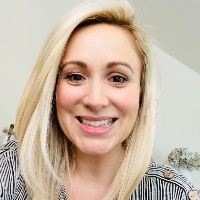
Christina Medis is a Licensed Marriage and Family Therapist (LMFT) in Florida with nine years of clinical experience. She works with people dealing with depression, anxiety, mood shifts, parenting and relationship strains, and other stress-related concerns. Christina focuses on practical ways to manage low periods and the everyday pressures that can make emotions feel overwhelming.
Her sessions emphasize listening and exploring what already helps the client. She uses client-centered and solution-focused methods to identify small, doable changes. Mindfulness and parts work via Internal Family Systems are also woven in when they suit the person’s goals.
Christina often helps people talk through family-of-origin issues, blended family concerns, attachment and abandonment worries, and challenges that come with caregiving. She also addresses intimacy-related issues, anger, career stress, grief, and aspects of ADHD that affect daily life.
Her approach is direct and practical. Sessions look at patterns, communication problems, and steps someone can try between meetings. She helps people clarify what matters and set short-term goals they can test out in real situations.
Christina describes therapy as a collaborative process. She checks in about progress and adjusts methods as needed. People who want clear, structured conversation about mood, relationships, parenting, or major life changes may find this approach useful.
How Christina’s approaches work in online sessions
Client-Centered Therapy focuses on listening and reflecting back what matters to the client. It helps people clarify feelings, values, and next steps when mood or relationships feel confusing.Solution-Focused Therapy zeroes in on small, practical changes and on what is already working. This approach is useful for setting concrete goals for mood, parenting tasks, or communication habits.
Internal Family Systems recognizes that people carry different internal parts with different needs. It can be helpful for addressing attachment wounds, abandonment fears, and patterns that keep repeating in relationships.
Choosing the right approach is a shared process. The therapist will discuss options, try methods that fit the client's goals, and adjust as progress is tracked. That collaboration helps match techniques to everyday needs and preferences.
Confirm the exact session formats before booking, since current session options are not listed here. Online sessions can make it easier to fit therapy into busy schedules, reduce travel time, allow shorter check-ins when needed, and remove the need to be on camera for every meeting. Licensed professionals use these practical benefits to help clients work on mood, relationships, and life transitions without large changes to daily routines.
Areas of expertise
Primary focus
Also works with
Additional focus areas
Therapeutic approaches
Experience
9+ years
Credentials
Florida
Languages
English
Frequently asked questions
What concerns does she address?
She works with depression, anxiety, mood swings, relationship and parenting challenges, grief, anger, and related stressors.
What is her therapeutic style?
Her style is collaborative and practical, using listening, goal-setting, and short-term steps to address problems.
How much clinical experience does she have?
She has nine years of clinical experience working with a range of mood and relationship concerns.
What are her credentials and location?
She is a Licensed Marriage and Family Therapist (LMFT) licensed in Florida and practices there.
Which languages are sessions offered in?
Sessions are offered in English.
Does she work with international clients?
She does not accept international clients at this time.
How are sessions paid for?
Cost varies by location and sessions use a subscription that can be canceled at any time.
How do I begin a first session?
Select the See online therapy options button, complete a short matching questionnaire, and schedule a first session.
Before you reach out
- Check that the state license on record covers the state you live in.
- You do not need a diagnosis or the right words. Saying "my mood has been up and down" or "I have felt low for weeks" is a fine place to start.
- Counselors offer talking support. Questions about medication belong with a doctor or psychiatrist, and the two can go side by side.
- A profile shows the topics a counselor lists; it is not a diagnosis or a promise of any result.
If you feel unsafe right now, call or text 988, or call 911.