- Mood disorders
- Cognitive Behavioral Therapy
- EMDR
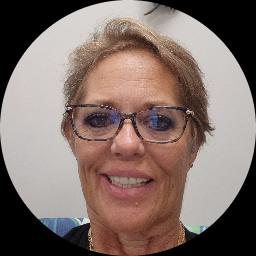
About Debra
Debra Matthews-Robinson is a Florida licensed clinical social worker (LCSW) with 20 years of experience working with adults facing mood-related concerns. She helps people who feel low, swing between highs and lows, struggle with anxiety, or are coping with grief, addiction, and major life changes.
She focuses on practical skills people can use between sessions. Debra often uses strategies from Cognitive Behavioral Therapy to identify unhelpful thinking and try different behaviors. She also uses Eye Movement Desensitization and Reprocessing as one option for processing distressing memories and strong reactions.
Sessions tend to focus on clear goals and step-by-step changes. She talks through how mood, thoughts, and behavior interact and helps clients practice alternative ways of responding. Work can include addressing guilt, shame, communication problems, or caregiver stress when these affect mood.
Debra draws on two decades of clinical experience in Florida to shape each session. She encourages straightforward feedback about what is and isn't working so plans can be adjusted. The emphasis is on achievable changes rather than abstract concepts.
People looking for help with panic attacks, persistent low mood, or recovery from loss will find practical tools and focused conversation. Before booking, confirm the current session options to make sure they match your needs.
To begin, clients follow the site's process to learn about online therapy choices and schedule a first meeting with Debra.
Therapeutic approaches used in online sessions
Debra commonly uses Cognitive Behavioral Therapy, which focuses on identifying patterns of thought and behavior that keep mood low and then testing practical alternatives. CBT aims to break cycles of negative thinking by practicing new ways of responding and measuring small changes in daily life.She also offers Eye Movement Desensitization and Reprocessing, a method often used to reduce the intensity of distress tied to past events. EMDR involves guided processing of upsetting memories so they feel less overwhelming and interrupt day-to-day functioning less often.
Choosing the right approach is collaborative. Debra will discuss goals, preferences, and how symptoms show up to decide which methods to try first. She adapts plans based on what helps in early sessions and invites client feedback to guide next steps.
Confirm the specific session formats before booking since the biography does not list them. Online sessions can make it easier to fit therapy into busy days, allow shorter check-ins when helpful, and remove travel time. Talk with her about what will fit your routine and needs so sessions can be scheduled in a practical way that supports ongoing work.
Areas of expertise
Additional focus areas
Therapeutic approaches
Experience
20+ years
Credentials
Florida
Languages
English
Frequently asked questions
What concerns does she address?
She works with stress, anxiety, depression, grief, addictions, and mood disorders among other related issues.
What methods does she use in sessions?
Her work uses Cognitive Behavioral Therapy (CBT) and Eye Movement Desensitization and Reprocessing (EMDR) techniques depending on client needs.
How much experience does she have?
She has 20 years of clinical experience as a licensed social worker in Florida.
What is her professional credential and location?
She is a Florida LCSW and practices with that credential in Florida.
Does she work in other languages or internationally?
Sessions are offered in English and she is not accepting international clients at this time.
What session formats are available?
Confirm the current session options before booking, as formats are not specified in the biography.
How does payment work?
Cost varies by location and sessions use a subscription model that can be canceled at any time.
How do I get started with a first session?
Use the See online therapy options button, complete the short matching questionnaire, and schedule your first session.
Before you reach out
- Check that the state license on record covers the state you live in.
- You do not need a diagnosis or the right words. Saying "my mood has been up and down" or "I have felt low for weeks" is a fine place to start.
- Counselors offer talking support. Questions about medication belong with a doctor or psychiatrist, and the two can go side by side.
- A profile shows the topics a counselor lists; it is not a diagnosis or a promise of any result.
If you feel unsafe right now, call or text 988, or call 911.