- Depression
- Anxiety
- Trauma
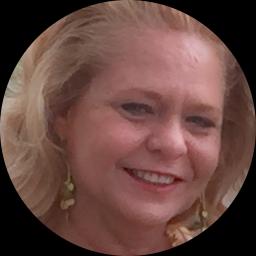
About Diane
Diane Langston-Schicker is a Florida-licensed marriage and family therapist (LMFT) with 27 years of clinical experience. She lists depression, anxiety, relationship concerns, and trauma among the issues she addresses. Diane also notes work with stress, parenting, grief, bipolar concerns, and ADHD.
Her style blends straightforward conversation with practical strategies. She listens for patterns in relationships and mood, then helps people try small changes that can ease daily strain. Sessions often focus on improving communication, managing strong emotions, and building routines that support sleep and appetite.
Diane uses a mix of approaches to match what a person needs. She draws on attachment-based ideas to look at how early relationships affect current behavior. Cognitive behavioral techniques are used to spot unhelpful thoughts and test new responses. She also integrates EMDR for people who report lingering effects of trauma.
People working with her can expect clear goals and step-by-step plans alongside time to talk through painful memories. She can help with issues like relationship conflicts, addictive behaviors, body image, and caregiver stress. Work may include skills for anger management, strategies for coping with life changes, and support for intimacy-related concerns.
Diane accepts clients from within and outside the United States and conducts sessions in English. Costs vary by location and are billed through a subscription that can be canceled at any time. To begin, prospective clients complete a short matching questionnaire and schedule a first session.
How Diane uses different approaches online
Attachment-Based Therapy looks at how early and close relationships shape current feelings and patterns. Online work with attachment ideas can help when someone wants clearer boundaries, better communication, or relief from longstanding relationship patterns. Cognitive Behavioral Therapy (CBT) focuses on identifying unhelpful thoughts and testing new behaviors. In remote sessions CBT is often used to set small practice tasks between meetings, like tracking mood or testing a new way of responding to stress. Eye Movement Desensitization and Reprocessing (EMDR) is used for people who have distressing memories that continue to affect day-to-day life. When appropriate, EMDR techniques can be adapted for remote sessions with careful planning and pacing. Choosing the right approach is part of the work. Diane will discuss options and help decide what fits best based on a person’s needs, goals, and preferences. That collaborative process helps shape what the sessions focus on. Confirm the therapist's current session options before booking so you know how meetings will be scheduled. The subscription billing used for sessions can make it easier to fit therapy into a weekly routine, and many people find remote sessions help them fit appointments into work or caregiving schedules without extra travel.Areas of expertise
Primary focus
Also works with
Additional focus areas
Therapeutic approaches
Experience
27+ years
Credentials
Florida
Languages
English
Frequently asked questions
What concerns does she address?
Diane lists support for depression, anxiety, relationship and family issues, trauma and abuse, bipolar mood concerns, addictions, grief, and related problems.
What is her therapeutic style?
She uses a conversational, goal-focused style that combines listening with practical skills work and strategies for daily routines.
How much experience does she have?
She has 27 years of clinical experience as a licensed marriage and family therapist.
Where is she licensed and located?
She is an LMFT licensed in Florida and practices from that state.
Which languages are supported?
Sessions are offered in English and international clients are accepted.
What session formats are offered?
Please confirm current session options before booking so you know whether remote or other formats are available.
How are sessions paid for?
Fees vary by location and are processed through a subscription model that can be canceled at any time.
How do I begin working with her?
Start by selecting the See online therapy options button, completing a short matching questionnaire, and scheduling a first session.
Before you reach out
- Check that the state license on record covers the state you live in.
- You do not need a diagnosis or the right words. Saying "my mood has been up and down" or "I have felt low for weeks" is a fine place to start.
- Counselors offer talking support. Questions about medication belong with a doctor or psychiatrist, and the two can go side by side.
- A profile shows the topics a counselor lists; it is not a diagnosis or a promise of any result.
If you feel unsafe right now, call or text 988, or call 911.