- Stress and anxiety
- Addictions and recovery
- Sexuality and kink-aware care
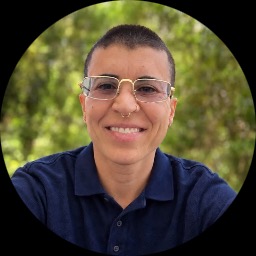
About Eli
Eli Manata Sloan is a Licensed Clinical Social Worker (LCSW) practicing in Florida with four years of clinical experience. Eli works with stress, anxiety, addictions, LGBT concerns, trauma and abuse, and people coping with life changes. Sessions are offered in English, Spanish, French, and Portuguese. Eli identifies as non-binary and provides an affirming approach to sexual and identity questions.
Eli combines trauma-aware care with creative methods. They use expressive arts and parts work influenced by Internal Family Systems ideas to help people notice and name difficult feelings. Eli also brings attention to sexual health and kink-aware conversations when those topics arise.
People come for help with relationship ruptures, communication problems, and separation or divorce. Eli uses a Gottman-informed perspective with couples to explore connection and repair, and to plan separations with care when needed. They also support those facing substance use, body image, and family of origin issues.
Eli describes their practice as LGBTQIA+-affirming and sex-positive, and they work from a multicultural and social-justice frame. They offer sex-therapy supervision under an AASECT-certified supervisor and integrate that lens into conversations about intimacy and alternative sexual cultures.
Sessions are offered virtually throughout Florida. Eli welcomes an open, conversational style that includes creative expression when useful. To begin, clients complete a short matching questionnaire and schedule a first session.
Therapeutic approaches and working online
Eli commonly integrates expressive arts into sessions, using creative activities such as drawing, movement, or storytelling to help people access feelings that are hard to put into words. This method can be useful for stress, mood shifts, and when emotions feel stuck.They also draw on parts work influenced by Internal Family Systems ideas, which helps people identify inner parts that drive self-criticism, anxiety, or patterns in relationships. That approach can help with abandonment, attachment issues, and managing intense mood swings.
Finding the right approach is part of the work. Eli explores options with each person and makes choices together based on goals, comfort, and what feels most useful. Clients and the therapist adjust methods over time as needs change.
Practical benefits of meeting online include easier scheduling and fitting sessions into a busy day. Virtual sessions can reduce travel time and make it simpler to have a short check-in between obligations. Confirm the available session formats before booking to match your technology and daily routine.
Areas of expertise
Primary focus
Additional focus areas
Experience
4+ years
Credentials
Florida
Languages
English, Spanish, French, Portuguese
Frequently asked questions
What kinds of concerns does Eli work with?
Eli works with stress, anxiety, addictions, LGBT concerns, trauma and abuse, and coping with life changes. Additional areas include attachment, body image, and relationship problems.
What is Eli's therapeutic style?
They use trauma-aware care with expressive arts and IFS-informed parts work alongside sex-positive conversations when relevant. The approach is conversational and often includes creative exercises.
How much clinical experience does Eli have?
Eli has four years of professional experience as a clinician. They are currently a PhD student in Expressive Therapies.
What credentials and where is Eli based?
Eli is a Licensed Clinical Social Worker (LCSW) licensed in Florida and provides virtual sessions across the state.
Which languages are supported?
Sessions are offered in English, Spanish, French, and Portuguese.
Can I work with Eli from another country?
International clients are not currently accepted. Sessions are provided to people located in Florida.
How are sessions paid for?
Cost varies with location and sessions use a subscription model that can be canceled at any time.
How do I begin a first session?
Select the See online therapy options button, complete a short matching questionnaire, and then schedule a first session.
Before you reach out
- Check that the state license on record covers the state you live in.
- You do not need a diagnosis or the right words. Saying "my mood has been up and down" or "I have felt low for weeks" is a fine place to start.
- Counselors offer talking support. Questions about medication belong with a doctor or psychiatrist, and the two can go side by side.
- A profile shows the topics a counselor lists; it is not a diagnosis or a promise of any result.
If you feel unsafe right now, call or text 988, or call 911.