- Client-Centered Therapy
- Cognitive Behavioral Therapy
- Mindfulness Therapy
About Eugenia
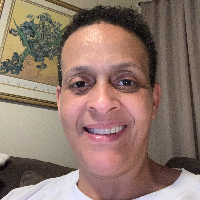
Eugenia Davis is a Licensed Clinical Mental Health Counselor (LCMHC) practicing in North Carolina with 22 years of experience. She works with people dealing with stress, anxiety, depression, addiction, trauma and mood-related concerns including bipolar disorder.
Davis trained in mental health counseling and has a background that includes work with substance use clients and people with chronic mental illness. She has experience across many settings and populations, which informs how she approaches practical problems in therapy.
Her sessions focus on helping people talk through current problems and learn ways to cope. She explains that therapy is not about handing out answers. Instead, she acts as an objective voice to help clients see different perspectives and consider new options.
She uses a mix of approaches to match what a person needs. That can include exploring emotions, looking at patterns of thought, and practicing mindfulness skills to manage stress in daily life. Motivational techniques are also used when someone is working on change related to substance use or other goals.
Eugenia emphasizes practical steps you can try between sessions. Expect conversations that look at how problems show up in real life and small experiments to test different ways of coping. She encourages active collaboration so work in therapy connects to everyday demands.
Her training and long experience guide a straightforward style that centers on listening, reflection, and concrete strategies. People who prefer a direct, problem-focused approach will find this style clear and goal-oriented.
How Eugenia uses therapeutic approaches in online sessions
Client-Centered Therapy focuses on listening and working from the client's own goals. The therapist offers reflection and support to help a person explore feelings and make choices that fit their life. Cognitive Behavioral Therapy (CBT) looks at how thoughts, feelings, and actions connect. It uses short exercises in session and practical homework to change unhelpful patterns and reduce symptoms like low mood or anxiety.Eugenia approaches finding the right method as a collaborative process. She will discuss options, try approaches, and adjust based on what fits the client's needs and preferences. That means the plan can shift as goals become clearer and progress is reviewed together.
Confirm session formats before booking so you know how appointments are conducted. Online sessions can make it easier to fit therapy into a busy week by reducing travel and letting people meet from locations that work for them. They also support shorter check-ins when schedules are tight and allow for a consistent weekly rhythm that helps with mood and coping work. Licensed professionals can adapt exercises, mindfulness practices, and motivational tools to an online setting so that practical skills carry over into everyday life.
Areas of expertise
Primary focus
Also works with
Additional focus areas
Therapeutic approaches
Experience
22+ years
Credentials
North Carolina
Languages
English
Frequently asked questions
What kinds of concerns does she address?
She works with stress, anxiety, depression, addictions, trauma, bipolar mood concerns, relationship and intimacy issues, grief, parenting challenges, and related areas.
What is her therapeutic style?
She uses a practical, collaborative style that helps clients talk through problems, try new perspectives, and practice skills between sessions.
How long has she worked in mental health?
She has 22 years of experience working in the mental health field and with substance use populations.
What are her credentials and where does she practice?
She is a North Carolina Licensed Clinical Mental Health Counselor (LCMHC) and practices in North Carolina.
Does she work in languages other than English?
Sessions are offered in English.
Can people outside the United States work with her?
International clients are accepted; check any regional considerations before scheduling.
How are sessions scheduled and paid for?
Cost varies with location and sessions use a subscription that can be canceled at any time.
How do I start a first session?
Select the See online therapy options button, complete the short matching questionnaire, and schedule a first session.
Before you reach out
- Check that the state license on record covers the state you live in.
- You do not need a diagnosis or the right words. Saying "my mood has been up and down" or "I have felt low for weeks" is a fine place to start.
- Counselors offer talking support. Questions about medication belong with a doctor or psychiatrist, and the two can go side by side.
- A profile shows the topics a counselor lists; it is not a diagnosis or a promise of any result.
If you feel unsafe right now, call or text 988, or call 911.