- ACT
- CBT
- Client-centered
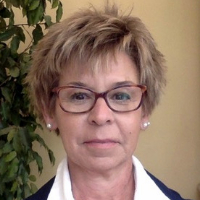
About Jane
Jane Robbins is an LCSW - Licensed Clinical Social Worker in North Carolina with 25 years of experience. She works with people facing mood-related concerns such as depression, bipolar mood shifts, anxiety, grief, and stress. She also supports those dealing with relationship problems, parenting strain, eating and sleeping difficulties, addiction, and trauma and abuse.
Jane spent her early training studying psychology at UNLV and completed a Master of Science in Social Work at the University of Tennessee. Her clinical work began in Memphis and has since included a wide range of settings and age groups, including hospice and geriatric work. She brings long-term practice experience to common and complex mood concerns.
In sessions she focuses on building a trustworthy relationship first. She works collaboratively to match methods to what helps an individual, rather than imposing a single style. That means practical conversations about goals, coping strategies, and changes someone can try between meetings.
Her toolkit includes cognitive behavioral techniques to identify and adjust unhelpful thinking, acceptance and commitment ideas to clarify values and action, and client-centered listening that prioritizes the person’s perspective. She also draws on dialectical behavior and psychodynamic ideas when those perspectives illuminate patterns or regulation skills.
People choosing Jane can expect straightforward, goal-oriented work that covers everyday problems like sleep, appetite, concentration, and mood swings. Sessions address immediate coping and longer-term patterns so people can manage low periods and times of upheaval with clearer options.
Therapeutic approaches and how they work online
Acceptance and Commitment Therapy (ACT) helps a person clarify what matters most and take small steps toward those values, even when mood or worry gets in the way. It is often useful for persistent low mood, grief, and situations requiring choices about change.Cognitive Behavioral Therapy (CBT) focuses on identifying patterns of thought and behavior that keep symptoms going and practicing specific changes. It is practical for sleep and eating problems, anxiety, depression, and problem-focused coping skills.
Client-Centered Therapy centers the person’s experience through attentive listening and reflection so they can make sense of feelings and decide on next steps. This approach supports people who need steady, respectful help sorting through complex emotions.
Finding the right approach is part of the work. The therapist will talk with each person about goals and try methods that fit those goals and preferences. This is a collaborative process where approaches may be combined or adjusted over time.
The original biography does not list session formats, so confirm current options before booking. Online sessions can make it easier to fit meetings into a busy week and can reduce travel time. They also allow for shorter check-ins when needed and let people join from quieter surroundings without needing to be on camera if that is preferred.
Areas of expertise
Primary focus
Also works with
Additional focus areas
Therapeutic approaches
Experience
25+ years
Credentials
North Carolina
Languages
English
Frequently asked questions
What kinds of mood concerns does she help with?
She works with depression, bipolar mood shifts, anxiety, grief, stress, and related issues such as sleep and eating problems.
What methods does she use in sessions?
Her approaches include Acceptance and Commitment Therapy, Cognitive Behavioral Therapy, client-centered work, Dialectical Behavior Therapy, and psychodynamic ideas as appropriate.
How much experience does she have?
She has 25 years of clinical experience, with work spanning hospice, geriatric care, and other settings.
What are her credentials and where is she based?
She is an LCSW - Licensed Clinical Social Worker licensed in North Carolina.
Can I work with her if I live outside the US?
Sessions are offered in English and she accepts international clients.
What session formats are offered?
The original biography did not specify session formats; confirm current online and in-person options before booking.
How is cost handled?
Cost varies with location and sessions use a subscription that can be canceled at any time.
How do I begin working with her?
Click the See online therapy options button, complete a short matching questionnaire, and schedule a first session.
Before you reach out
- Check that the state license on record covers the state you live in.
- You do not need a diagnosis or the right words. Saying "my mood has been up and down" or "I have felt low for weeks" is a fine place to start.
- Counselors offer talking support. Questions about medication belong with a doctor or psychiatrist, and the two can go side by side.
- A profile shows the topics a counselor lists; it is not a diagnosis or a promise of any result.
If you feel unsafe right now, call or text 988, or call 911.