- Depression support
- Relationship work
- DBT and attachment
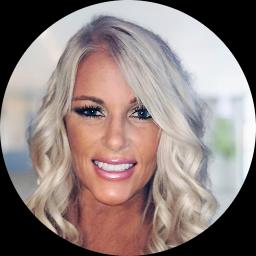
About Joellyn
Joellyn Norrie is an LCSW licensed in Florida and Pennsylvania with 25 years of professional experience. She works with people facing depression, stress, anxiety, relationship difficulties, trauma and abuse, low self-esteem, and related concerns. She also lists additional focuses such as adoption and foster care experiences, attachment issues, caregiver stress, and body image concerns.
Her approach is straightforward and conversational. Sessions center on clear goals and practical steps. She adapts how she talks and plans work together to the individual in front of her rather than following a single script.
Joellyn uses methods that include attachment-based work, client-centered approaches, dialectical behavior therapy elements, emotionally-focused ideas, and the Gottman Method. In practice this means attention to how relationships affect mood, helping people notice patterns, and teaching skills for handling intense emotions and communication problems.
People who meet with her can expect a mix of talking and skills practice. She places emphasis on improving everyday coping, reducing mood lows, and addressing patterns that keep problems repeating. She also brings experience helping with issues tied to abandonment, blended family stress, autism-related concerns, and aging and geriatric matters.
Her work is grounded in years of clinical experience across settings. Joellyn frames therapy as steady, practical work aimed at making daily life feel more manageable and relationships clearer.
Approach and how online sessions can fit everyday life
Joellyn uses attachment-based ideas, client-centered work, and elements of dialectical behavior therapy in her practice. Attachment-based work looks at how early and current relationships shape feelings and reactions, which can help when relationships affect mood. Client-centered work focuses on the person's concerns and priorities, letting the conversation guide goals and next steps. DBT elements teach concrete skills for handling strong emotions and reducing impulsive reactions.Choosing an approach is a shared process. She will talk with each person about goals, past experiences, and what feels most useful. Together they decide which methods to try and adjust the plan as progress is made.
The biography does not specify which session formats are provided, so confirm current options before booking. Online sessions can make it easier to fit therapy into a busy week, join from a different location when needed, or have a shorter check-in when time is limited. They also let people use visual or phone-based formats depending on comfort, and make scheduling around work or caregiving responsibilities simpler. Licensed professionals can help match the session style to practical needs as part of early meetings.
Areas of expertise
Primary focus
Additional focus areas
Therapeutic approaches
Experience
25+ years
Credentials
Florida, Pennsylvania
Languages
English
Frequently asked questions
What kinds of mood concerns does she address?
She works with depression, stress, anxiety, relationship issues, trauma and abuse, and self-esteem difficulties.
What is her therapeutic style?
She uses conversational, goal-focused sessions that combine talking with practical skills and communication work.
How much experience does she have?
She has 25 years of professional experience in clinical practice.
What credentials and location apply to her practice?
She is an LCSW licensed in Florida and Pennsylvania and is practicing from Florida.
Are sessions available in other languages or for international clients?
Sessions are offered in English and she is not accepting international clients.
What session formats are offered?
The original biography does not list specific session formats; confirm current session options before booking.
How are costs structured?
Cost varies with location and sessions use a subscription that can be canceled at any time.
How do I begin working with her?
Select the See online therapy options button, complete the short matching questionnaire, and schedule a first session.
Before you reach out
- Check that the state license on record covers the state you live in.
- You do not need a diagnosis or the right words. Saying "my mood has been up and down" or "I have felt low for weeks" is a fine place to start.
- Counselors offer talking support. Questions about medication belong with a doctor or psychiatrist, and the two can go side by side.
- A profile shows the topics a counselor lists; it is not a diagnosis or a promise of any result.
If you feel unsafe right now, call or text 988, or call 911.