- Attachment-Based work
- Emotionally-Focused methods
- Client-Centered care
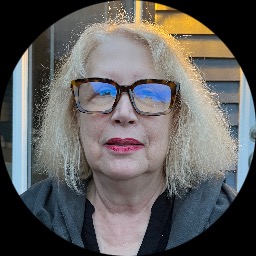
About Joyce
Dr. Joyce Love is a Licensed Marriage and Family Therapist (LMFT) practicing in Florida with 35 years of experience. She works with adults on issues such as stress, anxiety, depression, relationship concerns, grief, and addictions. Her practice also addresses parenting, career questions, ADHD, and intimacy-related struggles.
She aims to understand each person's current situation before suggesting ways forward. Sessions focus on what the client brings in the moment and look for practical changes that feel meaningful. Joyce listens in a nonjudgmental way and encourages clear description of the problems a person is facing.
Her background combines family therapy and school psychology perspectives that inform her clinical work. That history gives her a broad view of how life stages, caregiving roles, and attachment patterns affect mood and behavior. She has worked with a wide range of concerns including abandonment, codependency, body image, and communication problems.
Joyce draws on several therapy approaches rather than a single method. She uses Attachment-Based ideas to look at relationship patterns and Emotionally-Focused techniques to notice feelings in the room. Client-Centered principles guide how she listens and responds.
In practical terms she partners with people who want to explore change, whether that means coping with loss, managing anger, or navigating divorce and separation. The work often mixes talking, reflecting, and planning small steps to try between sessions. Her aim is straightforward: help people make sense of their difficulties and find manageable ways to move forward.
How her therapeutic approaches translate to remote sessions
Attachment-Based Therapy focuses on patterns in close relationships. It helps identify how early and current bonds shape reactions and mood, which can be useful for people struggling with trust or abandonment fears.Emotionally-Focused Therapy (EFT) pays attention to felt emotions in the moment. It helps people name and work through strong feelings tied to relationships and losses, useful for low mood, grief, and intimacy issues.
Client-Centered Therapy emphasizes the person's experience and uses active listening to support exploration. This approach helps clients who need space to talk things through and decide what matters most to them.
Choosing the right approach is a collaborative process. The therapist will work with each person to identify goals and try methods that fit their needs and preferences rather than applying one fixed model.
Confirm the specific online session options before booking since formats are not listed in the biography. Online therapy can make it easier to fit sessions into a workday or to have shorter check-ins when time is limited. Some people prefer not to use video for brief sessions, while others like the visual connection for deeper emotional work. The therapist will discuss practical arrangements so sessions fit into everyday life without assuming a single format.
Areas of expertise
Primary focus
Also works with
Additional focus areas
Therapeutic approaches
Experience
35+ years
Credentials
Florida, New York
Languages
English
Frequently asked questions
What kinds of concerns does she address?
She works with stress, anxiety, depression, grief, addictions, relationship and intimacy issues, and related concerns like parenting and career stress.
What is her general therapy style?
Her style is attentive and client-centered, listening closely and responding to what is brought in the session. She combines approaches to match a person's needs.
How long has she been practicing?
She has 35 years of clinical experience working in family and school-related settings and independent practice.
What are her credentials and where is she based?
She is an LMFT licensed in New York and Florida and practices from Florida.
Which languages are supported for sessions?
Sessions are offered in English.
Does she work with international clients?
She does not accept international clients at this time.
What formats are used for sessions?
Please confirm current session options before booking, as formats are not specified in the biography.
How are fees handled?
Costs vary with location and sessions use a subscription that can be canceled at any time.
Before you reach out
- Check that the state license on record covers the state you live in.
- You do not need a diagnosis or the right words. Saying "my mood has been up and down" or "I have felt low for weeks" is a fine place to start.
- Counselors offer talking support. Questions about medication belong with a doctor or psychiatrist, and the two can go side by side.
- A profile shows the topics a counselor lists; it is not a diagnosis or a promise of any result.
If you feel unsafe right now, call or text 988, or call 911.