- Existential therapy
- Trauma and grief
- English and Spanish
About Judith
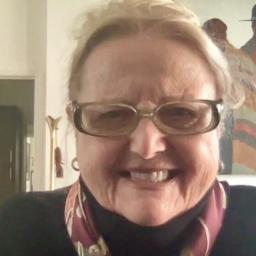
Dr. Judith Evitt is a Licensed Mental Health Counselor (LMHC) and Licensed Professional Counselor (LPC) practicing in Florida with 14 years of experience. She works with people facing stress, anxiety, grief, depression, trauma and abuse, and related concerns such as low self-esteem and difficulty with impulse control. Sessions are offered in English and Spanish.
Dr. Evitt takes a straightforward approach. She helps people talk through what feels overwhelming and identify small, doable changes. Conversations focus on daily coping skills, understanding patterns that keep problems going, and building practical steps to manage mood and stress.
Her background includes a doctorate in counseling psychology and licensure in both Florida and Arizona. That clinical training informs how she listens for the life events and losses that often underlie depression and anxiety. She also works with people struggling after abuse, or who are processing grief and addiction-related concerns.
In sessions she pays attention to values, choices, and the meaning people find in their lives. That perspective can help when someone feels stuck or unsure about direction. Work may include clarifying priorities, addressing guilt and shame, and improving communication with others.
People can expect clear, practical conversations about mood, coping, and next steps. Dr. Evitt aims to help clients develop tools to manage low periods and move toward more stable daily routines.
Existential approaches and online sessions
Existential Therapy focuses on questions about meaning, choice, and responsibility. It helps when mood shifts feel tied to larger life questions, loss, or a sense of being stuck. Conversations aim to clarify what matters and how choices align with those values.In practice this can mean looking at the life situations that contribute to depression or anxiety, and then pairing that understanding with concrete steps. For example, clarifying priorities may lead to practical changes in routine, relationships, or goals that reduce daily stress. Existential work also supports processing grief and themes like guilt or abandonment.
Finding the right approach is part of therapy. The therapist will work with each person to decide what methods fit their needs, goals, and preferences. That decision is collaborative and can shift over time as progress and challenges become clearer.
Confirm the session formats available before booking, as specific online options are not listed here. Online sessions can make it easier to fit therapy into a busy life - for example shorter check-ins during a work break, not needing travel time, or choosing audio when bandwidth is limited. These practical benefits often help people stick with regular meetings and apply what they learn to everyday routines.
Areas of expertise
Additional focus areas
Therapeutic approaches
Experience
14+ years
Credentials
Arizona, Florida
Languages
English, Spanish
Frequently asked questions
What kinds of concerns does she address?
She works with stress, anxiety, depression, trauma and abuse, grief, and low self-esteem, plus related issues like isolation, impulsivity, and mood disorders.
What style of therapy does she use?
She uses Existential Therapy to look at meaning and choices in life, combined with practical work on coping and behavior change.
How much clinical experience does she have?
She has 14 years of experience and holds a doctorate in counseling psychology, with licensure in Florida and Arizona.
Where does she practice?
She is licensed in Florida and provides services from that state.
What languages are supported?
Sessions are offered in English and Spanish.
Can international clients work with her?
International clients are not currently accepted.
How are sessions paid for?
Cost varies by location and sessions use a subscription model that can be canceled at any time.
How do I begin working with her?
Click the See online therapy options button, complete a short matching questionnaire, and schedule a first session.
Before you reach out
- Check that the state license on record covers the state you live in.
- You do not need a diagnosis or the right words. Saying "my mood has been up and down" or "I have felt low for weeks" is a fine place to start.
- Counselors offer talking support. Questions about medication belong with a doctor or psychiatrist, and the two can go side by side.
- A profile shows the topics a counselor lists; it is not a diagnosis or a promise of any result.
If you feel unsafe right now, call or text 988, or call 911.