- Depression
- Anxiety
- Trauma recovery
About Kamaria
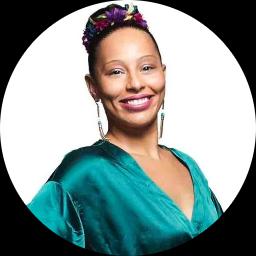
Kamaria Dailey is a Licensed Mental Health Counselor (LMHC) in Florida with five years of clinical experience. She works with adults who are dealing with low mood, mood swings, anxiety, trauma, and stressful life changes. Kamaria focuses on everyday concerns like self-esteem, communication struggles, and the disruptions that come with caregiving or work pressure.
She frames sessions around the realities people bring in. Conversations often begin with what feels most urgent and practical steps that can help reduce distress. She uses clear, evidence-informed techniques and keeps explanations simple so clients can try new ways of coping between sessions.
Her background emphasizes how identity and life context shape feelings and behaviors. That means she considers family history, cultural influences, and current stressors when making sense of a problem. Attachment patterns and abandonment concerns are a common focus when exploring difficult relationship dynamics.
Kamaria draws from several approaches, including cognitive behavioral methods to address unhelpful thinking and skills from dialectical behavior therapy to regulate strong emotions. Acceptance and Commitment Therapy ideas are used when people want to clarify values and make changes that fit their life. Sessions are collaborative and paced to each person's comfort.
She also helps people facing co-occurring issues such as substance use, domestic violence histories, and the strain of blended family roles. For those feeling empty, stuck, or overwhelmed by repeated conflict, she breaks problems into manageable parts and works on concrete communication and coping strategies.
How her approaches translate to online therapy
Acceptance and Commitment Therapy (ACT) focuses on helping people notice difficult thoughts and feelings without getting ruled by them, and on clarifying personal values to guide small changes. Cognitive Behavioral Therapy (CBT) looks at the links between thoughts, feelings, and behaviors and uses practical exercises to reduce low mood and anxiety. Attachment-Based Therapy examines early relationship patterns and current attachment concerns to improve communication and emotional responses.Finding the right approach is part of the work. Kamaria will discuss options and adapt methods based on someone’s goals, daily life, and what feels most useful. The process is collaborative so techniques are chosen together and adjusted over time.
Session formats are not specified in the biography, so confirm current online session options before booking. Many people find online sessions easier to fit into a busy week, require less travel time, and make it simpler to keep regular check-ins. Online work also lets the therapist and client focus on skills practice, mood tracking, and brief coping tools that can be used between meetings.
Areas of expertise
Additional focus areas
Therapeutic approaches
Experience
5+ years
Credentials
Florida
Languages
English
Frequently asked questions
What concerns does she help with?
She works with stress, anxiety, depression, trauma and related issues such as self-esteem and coping with life changes.
What is her therapeutic style?
Her style is collaborative and person-centered, using practical, evidence-informed techniques to address daily problems and mood regulation.
How much clinical experience does she have?
She has five years of experience as a clinician working with mood and trauma-related concerns.
What credentials and location are listed?
She is a Florida Licensed Mental Health Counselor (LMHC) based in Florida.
Which languages are supported for sessions?
Sessions are offered in English.
Does she work with international clients?
She does not accept international clients at this time.
How are sessions priced?
Cost varies by location and sessions use a subscription that can be canceled at any time.
How do I start a first session?
Select the See online therapy options button, complete a short matching questionnaire, and schedule a first session.
Before you reach out
- Check that the state license on record covers the state you live in.
- You do not need a diagnosis or the right words. Saying "my mood has been up and down" or "I have felt low for weeks" is a fine place to start.
- Counselors offer talking support. Questions about medication belong with a doctor or psychiatrist, and the two can go side by side.
- A profile shows the topics a counselor lists; it is not a diagnosis or a promise of any result.
If you feel unsafe right now, call or text 988, or call 911.