- Mood and depression
- Relationship strain
- CBT and DBT methods
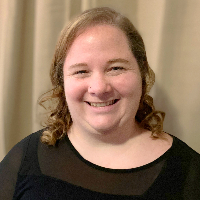
About Kimberly
LMHC, LCMHC Kimberly Lincoln has 11 years of counseling experience and holds licensure in Florida (FL LMHC) and North Carolina (NC LCMHC). She works with people facing low mood, anxiety, relationship strain, trauma, and the stresses that come with parenting and life change. Kimberly also lists addictions, ADHD, grief, bipolar concerns, and LGBTQ matters among her focus areas.
She has substantial experience supporting children and youth who have been involved with the child welfare system and has spent time stabilizing families in crisis. She has worked extensively with women who are survivors of childhood sexual trauma, and with people managing codependency and addiction issues. Her background includes interventions for attachment and adoption-related concerns.
Kimberly uses several practical therapy approaches that help people manage symptoms and solve immediate problems. She draws from client-centered methods to center the person's goals and from cognitive behavioral and dialectical behavior ideas to address thoughts, emotions, and coping skills. Motivational interviewing is part of her work when people need help finding reasons to change.
Her style focuses on what a person needs in the moment while still keeping longer term goals in view. That can mean addressing an urgent stressor first, then returning to broader objectives. Sessions aim to reduce overwhelm, improve communication, and build safer ways to manage strong emotions.
People come to Kimberly for help with depression, mood swings, anxiety, relationship and family conflict, parenting strain, trauma recovery, and problems such as anger, self-esteem, and substance use. Her experience includes work with attachment issues, blended family stress, and disaster-related coping, among other practical challenges.
How Kimberly combines practical approaches for online care
Client-Centered Therapy focuses on the person and their goals, giving space to talk through what matters and decide priorities together. Cognitive Behavioral Therapy (CBT) looks at how thoughts, feelings, and behaviors interact and teaches skills to shift unhelpful patterns. Dialectical Behavior Therapy (DBT) offers concrete tools for emotion regulation, distress tolerance, and improving relationships, which can help when mood swings or intense feelings interfere with daily life.Finding the right approach is collaborative. Kimberly works with each person to identify which methods feel most useful based on their goals, symptoms, and daily realities. That means trying strategies, checking what helps, and adjusting the plan as needed rather than committing to a single method from the start.
Confirm the current session options before booking, as formats are not specified here. Online work can make it easier to fit sessions into a busy routine, allow shorter check-ins when needed, and reduce travel time. It also lets people use approaches like CBT homework, skills practice from DBT, and motivational interviewing in ways that fit into everyday life. If you want to move forward, check the listed session choices and schedule a first appointment using the matching questionnaire.
Areas of expertise
Primary focus
Also works with
Additional focus areas
Therapeutic approaches
Experience
11+ years
Credentials
Florida, North Carolina
Languages
English
Frequently asked questions
What concerns does she address?
She works with depression, anxiety, relationship and family strain, trauma and abuse, addictions, grief, ADHD, and related concerns such as parenting stress and self-esteem.
What is her therapeutic approach like?
Her style is client-centered and practical. She combines client-centered work with cognitive behavioral and dialectical behavior techniques and motivational interviewing to address immediate needs and longer term goals.
How much experience does she have?
She has 11 years of professional experience working in clinical settings, including work with youth in the child welfare system and survivors of childhood sexual trauma.
Which credentials and location apply?
She is LMHC and LCMHC licensed in FL (FL LMHC) and NC (NC LCMHC) and practices in North Carolina.
In what language are sessions offered?
Sessions are offered in English.
Can I work with her from outside the United States?
She is not accepting international clients at this time.
How are sessions arranged and what about cost?
Cost varies with location and sessions use a subscription that can be canceled at any time; specific rates depend on the chosen plan and location.
How do I begin if I want to schedule?
Select the See online therapy options button, complete the short matching questionnaire, and then schedule your first session.
Before you reach out
- Check that the state license on record covers the state you live in.
- You do not need a diagnosis or the right words. Saying "my mood has been up and down" or "I have felt low for weeks" is a fine place to start.
- Counselors offer talking support. Questions about medication belong with a doctor or psychiatrist, and the two can go side by side.
- A profile shows the topics a counselor lists; it is not a diagnosis or a promise of any result.
If you feel unsafe right now, call or text 988, or call 911.