- Depression and bipolar
- CBT and ACT methods
- Parenting and adoption
About Laura
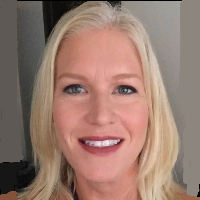
Laura Braswell is a Licensed Clinical Social Worker (LCSW) in Florida with three years of clinical experience. She works with adults coping with depression, bipolar mood shifts, anxiety, grief, relationship strain, parenting stress, trauma, and addictions. She also addresses issues around self-esteem, sleep and eating concerns, and career stress.
Laura draws on a mix of evidence-informed methods to help people clarify goals and develop practical skills. She uses cognitive behavioral techniques to spot unhelpful thoughts and behaviors and Acceptance and Commitment Therapy ideas to help people live more in line with their values. Attachment-based work and client-centered listening inform how she approaches relationships and personal history.
Sessions focus on clear, concrete steps. Clients can expect to talk through current struggles, identify patterns that keep them stuck, and practice alternative responses. Laura integrates mindfulness exercises and motivational interviewing to support change when people feel stuck or ambivalent.
Her background includes both clinical and pastoral training, and she uses life experience alongside formal education when working with people. That practical perspective is applied to parenting concerns, adoption and foster care questions, and issues tied to domestic violence or past abuse.
People looking for help with mood instability, prolonged low periods, anger, or the effects of trauma will find a straightforward, goal-oriented approach. The therapist supports clients in setting achievable goals, breaking unhelpful patterns, and building routines that improve day-to-day coping.
Approaches used and how online work fits
Acceptance and Commitment Therapy (ACT) focuses on helping people clarify what matters to them and take small steps toward those values even when mood or worry feels heavy. It can help with low mood, feeling stuck, and motivation problems.Cognitive Behavioral Therapy (CBT) looks at thoughts and behaviors that keep people feeling down or anxious and teaches practical skills to change them. It is often used for depression, anxiety, sleep disturbances, and eating concerns.
Attachment-Based Therapy pays attention to how early relationships shape expectations and patterns in close connections. This approach can be useful for relationship problems, intimacy struggles, and attachment issues tied to adoption or foster care.
Figuring out which approach fits best is part of the work. The therapist will collaborate with each person to choose methods that match their goals, preferences, and life circumstances rather than prescribing a single path up front.
Session format details should be confirmed before booking since the biography does not list specific formats. Online sessions can make it easier to fit appointments into a busy week, shorten check-ins when schedules are tight, and avoid travel time. Ask about practical session options and how they can be arranged to suit work, family, or other commitments.
Areas of expertise
Primary focus
Also works with
Additional focus areas
Therapeutic approaches
Experience
3+ years
Credentials
Florida
Languages
English
Frequently asked questions
What concerns does she work with?
She works with depression, bipolar mood shifts, anxiety, grief, relationship and parenting struggles, addictions, trauma, and related concerns such as sleep and eating issues.
What therapeutic style does she use?
She combines cognitive behavioral techniques, Acceptance and Commitment Therapy, attachment-based work, client-centered listening, mindfulness, and motivational interviewing to support practical change.
How much experience does she have?
She has three years of clinical experience and draws on both formal training and life experience in her work.
What are her credentials and where is she based?
She is a Licensed Clinical Social Worker (LCSW) licensed in Florida and practices from that state.
Can sessions be held in languages other than English?
Sessions are offered in English.
Does she work with international clients?
She accepts international clients; confirm any practical details before booking.
How does cost and billing work?
Cost varies with location and sessions use a subscription that can be canceled at any time.
How do I begin working with her?
Select the See online therapy options button, complete a short matching questionnaire, and schedule a first session.
Before you reach out
- Check that the state license on record covers the state you live in.
- You do not need a diagnosis or the right words. Saying "my mood has been up and down" or "I have felt low for weeks" is a fine place to start.
- Counselors offer talking support. Questions about medication belong with a doctor or psychiatrist, and the two can go side by side.
- A profile shows the topics a counselor lists; it is not a diagnosis or a promise of any result.
If you feel unsafe right now, call or text 988, or call 911.