- Depression and anxiety
- Trauma supportive care
- ACT and CBT
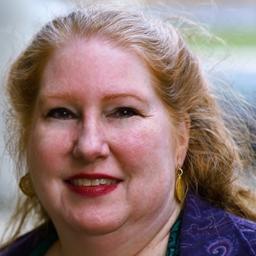
About Margaret
Margaret Johnston is a Licensed Mental Health Counselor (LMHC) in Florida with 11 years of experience. She works with people dealing with stress, anxiety, trauma and abuse, grief, depression, and other mood-related concerns. She also supports clients facing relationship and intimacy issues, ADHD, bipolar challenges, body-image and eating concerns, and identity questions related to LGBT or gender dysphoria.
Johnston trained at the University of North Florida, where she completed a Master of Clinical Psychotherapy in 2013. She also completed a nine-month Clinical Pastoral Education internship that emphasized deep listening. Early work included supporting service members through a program for wounded warriors, where listening and steady presence were central tasks.
In session she uses a person-centered stance. That means she starts by listening and reflecting what she hears. She focuses on clarifying unmet emotional needs and helping clients choose meaningful goals for living. She describes her role as a guide while people bring their own experience and wisdom.
Her work draws on several approaches, including Acceptance and Commitment Therapy (ACT), Cognitive Behavioral Therapy (CBT), Attachment-Based Therapy, Emotionally-Focused Therapy (EFT), and client-centered methods. She aims to address painful past experiences at a pace the client can manage and to reduce the ways those past events interrupt present life.
Margaret says race, culture, and identity are central when they matter to a client. She presents as inclusive, secular, and nonjudgmental, and notes experience with kink and alternative-sex communities, polyamory, blended-family issues, and first responder stress.
How her approaches translate to online work
Acceptance and Commitment Therapy (ACT) focuses on helping people notice their thoughts and feelings without getting stuck in them, then choose actions that match their values. It can help when mood swings or low periods get in the way of daily life. Cognitive Behavioral Therapy (CBT) looks at patterns of thinking and behavior and offers practical steps to change how someone reacts to difficult feelings. It is often useful for anxiety and depressive symptoms. Attachment-Based Therapy attends to how early relationships shape current patterns, helping people understand and repair how they relate to others.Figuring out which approach fits best is part of the process. She works collaboratively with clients to decide which methods to try, based on the client’s needs, goals, and preferences. That plan can be adjusted as work progresses so the client feels the session focus is helpful.
The original biography does not list specific session formats, so confirm current online options before booking. Many people find online sessions make it easier to fit therapy into busy days, allow shorter check-ins when needed, and reduce travel time. Online work can support steady momentum on mood and relationship issues while matching therapy to everyday life routines.
Areas of expertise
Also works with
Additional focus areas
Therapeutic approaches
Experience
11+ years
Credentials
Florida
Languages
English
Frequently asked questions
What concerns does she work with?
She works with stress, anxiety, trauma and abuse, grief, depression, bipolar symptoms, ADHD, relationship and intimacy issues, eating and body-image concerns, and related challenges.
What methods does she use in sessions?
Her work draws on Acceptance and Commitment Therapy (ACT), Cognitive Behavioral Therapy (CBT), Attachment-Based Therapy, Emotionally-Focused Therapy (EFT), and client-centered approaches to guide conversations and plan goals.
How much clinical experience does she have?
She has 11 years of experience working in mental health settings and community programs, including trauma-informed listening roles.
What are her credentials and where is she based?
She is a Licensed Mental Health Counselor (LMHC) licensed in Florida and practices from that state.
Can sessions be conducted in other languages or internationally?
Sessions are offered in English and she accepts international clients.
What session formats are offered?
The original biography does not list specific session formats; please confirm current session options before booking.
How does pricing work?
Cost varies with location and sessions use a subscription that can be canceled at any time.
How do I begin working with her?
Select the See online therapy options button, complete a short matching questionnaire, and schedule a first session.
Before you reach out
- Check that the state license on record covers the state you live in.
- You do not need a diagnosis or the right words. Saying "my mood has been up and down" or "I have felt low for weeks" is a fine place to start.
- Counselors offer talking support. Questions about medication belong with a doctor or psychiatrist, and the two can go side by side.
- A profile shows the topics a counselor lists; it is not a diagnosis or a promise of any result.
If you feel unsafe right now, call or text 988, or call 911.