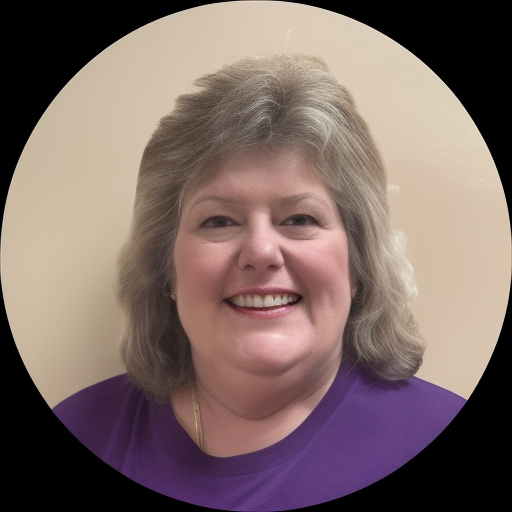
- ACT and CBT methods
- DBT skills work
- Relationship focus
About Marsha
Marsha Oxamendi is a Florida Licensed Clinical Social Worker (LCSW) with 14 years of experience. She works with people facing stress, anxiety, depression, grief, anger, relationship struggles, addiction, sleep problems, bipolar-spectrum concerns, ADHD, and coping with life changes. Marsha also supports those dealing with compassion fatigue and intimacy-related issues.
Her approach uses straightforward, evidence-based methods. She draws on Acceptance and Commitment Therapy (ACT) and Cognitive Behavioral Therapy (CBT) to help people notice unhelpful patterns and try small changes. She also uses Dialectical Behavior Therapy (DBT) skills to help with emotional regulation and Emotionally-Focused Therapy (EFT) ideas when relationships and attachment are central.
Sessions are conversational and goal-oriented. Marsha listens, reflects, and works with each person to set practical steps. She explains coping tools in plain language and practices skills during sessions so they can be used the same week.
Her background includes a Master of Social Work from Florida State University earned in 2010. Over the years she has worked in varied settings, including counseling prisoners, facilitating anger management groups, supporting dialysis patients, and offering hospice-related support to veterans and families. She has experience with pregnant and postpartum women as well.
People who come to see her often want clear strategies for mood swings, low periods, or persistent worry. Marsha helps people build routines, manage emotions, and improve communication. International clients may be accepted; confirm the current session options when scheduling.
Therapeutic approaches and online sessions
Acceptance and Commitment Therapy (ACT) encourages noticing difficult thoughts and feelings without getting stuck in them, then choosing actions that matter. It can help with low mood, anxiety, and motivation problems by focusing on values and small steps. Cognitive Behavioral Therapy (CBT) looks at the links between thoughts, feelings, and behaviors and uses short, practical exercises to change unhelpful patterns. CBT is often used for depression, anxiety, and sleep difficulties. Dialectical Behavior Therapy (DBT) provides skills for emotion regulation, distress tolerance, and interpersonal effectiveness, which can be useful when mood swings or intense reactions are a problem.Finding the right approach is part of the work together. The therapist will talk through goals, preferences, and what has or hasn’t helped in the past, then try methods that fit the person’s needs. That collaborative process helps determine whether ACT, CBT, DBT skills, or a mix feels most useful.
The biography did not list specific session formats, so confirm current online options before booking. Online sessions can make it easier to fit therapy around work, care responsibilities, or mobility limits. They can also allow shorter check-ins or sessions without video when that suits someone better. Licensed professionals will discuss practical scheduling and session length to fit everyday life.
Areas of expertise
Primary focus
Also works with
Additional focus areas
Therapeutic approaches
Experience
14+ years
Credentials
Florida
Languages
English
Frequently asked questions
What concerns does she help with?
She works with stress, anxiety, depression, grief, anger, addictions, relationship and family issues, bipolar-related concerns, ADHD, and other mood-related challenges.
What is her therapeutic style?
Her style is respectful and direct, using conversational sessions and practical exercises to teach coping skills and behavior changes.
How much clinical experience does she have?
She has 14 years of experience as a licensed clinical social worker and has worked in a range of care settings since completing her MSW in 2010.
What are her credentials and where is she based?
She is a Florida Licensed Clinical Social Worker (FL LCSW) and practices from Florida.
Does she offer sessions in other languages or to international clients?
Sessions are offered in English, and she accepts international clients.
What session formats are available?
The original biography did not list specific session formats; confirm current session options before booking.
How much do sessions cost?
Cost varies with location; sessions use a subscription that can be canceled at any time.
How do I begin a first session?
Select the See online therapy options button, complete a short matching questionnaire, and schedule a first session.
Before you reach out
- Check that the state license on record covers the state you live in.
- You do not need a diagnosis or the right words. Saying "my mood has been up and down" or "I have felt low for weeks" is a fine place to start.
- Counselors offer talking support. Questions about medication belong with a doctor or psychiatrist, and the two can go side by side.
- A profile shows the topics a counselor lists; it is not a diagnosis or a promise of any result.
If you feel unsafe right now, call or text 988, or call 911.