- Depression and bipolar
- CBT and ACT methods
- Relationship issues
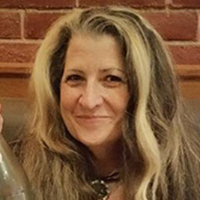
About Mary
Mary Skinner is a Licensed Mental Health Counselor (LMHC) in Florida with ten years of experience. She supports adults dealing with depression, bipolar mood patterns, anxiety, grief, addiction, relationship concerns, and stress. Mary also works with people navigating parenting challenges, sleep problems, career strain, and questions around sexuality and identity.
Her sessions take a straightforward, person-centered approach. She asks about the immediate problems and helps people try practical strategies. Conversations focus on what is getting in the way day to day and what small steps could make life easier.
Mary combines several therapy styles to fit what a person needs. She uses cognitive-behavioral ideas to spot unhelpful thinking and behavior. She draws on client-centered methods to encourage reflection and self-directed change.
Her work also incorporates Acceptance and Commitment Therapy ideas and perspectives from Jungian and existential thought. This gives space to values, meaning, and deeper patterns alongside practical skills for mood and stress. She aims to reduce stigma and support recovery that feels useful in ordinary life.
Mary has spent a decade counseling adults in Florida, focusing on mood, trauma, addiction, and relationship problems. She asks new clients to complete a short questionnaire and then schedule a first session. Sessions use a subscription model that can be canceled at any time.
How therapeutic approaches guide online sessions
Acceptance and Commitment Therapy (ACT) focuses on helping people notice painful thoughts and feelings without getting stuck in them, and then clarify what matters so they can take meaningful action. This approach is often used for persistent low mood, anxiety, and life transitions.Cognitive Behavioral Therapy (CBT) looks at the links between thoughts, feelings, and behaviors. It teaches concrete skills to test unhelpful thinking and build routines that support better sleep, mood, and stress management.
Client-Centered Therapy centers the person’s perspective and encourages self-directed discovery. The therapist listens closely and supports the client in choosing the changes that feel right for them.
Finding the right approach is part of the work. Mary will help figure out what fits based on the client’s needs, goals, and preferences. This is a collaborative process where methods can be adjusted as progress is tracked.
The original biography does not list specific session formats. Please confirm the available online session options before booking. Online work can make it easier to fit sessions into a busy week, shorten follow-up check-ins, or avoid travel time. It also allows continuing care when life circumstances change, while keeping the focus on practical skills and meaning-oriented discussion.
Areas of expertise
Primary focus
Also works with
Additional focus areas
Therapeutic approaches
Experience
10+ years
Credentials
Florida
Languages
English
Frequently asked questions
What concerns does she address?
She works with depression, bipolar mood patterns, anxiety, addiction, grief, relationship stress, and related issues like sleep and parenting strain.
What methods does she use in sessions?
She blends cognitive behavioral techniques, Acceptance and Commitment Therapy (ACT), client-centered work, and influences from Jungian and existential approaches.
How much experience does she have?
Mary has ten years of counseling experience with adults on mood, trauma, addiction, and relationship concerns.
What are her credentials and where is she based?
She is an LMHC licensed in Florida and practices with that credential.
Which languages are offered and can international clients join?
Sessions are offered in English and she is not accepting international clients.
What session formats are available?
The biography does not list specific session formats; confirm current session options before booking.
How does cost work?
Session cost varies by location and uses a subscription that can be canceled at any time.
How do I begin working with her?
Select the See online therapy options button, complete a short matching questionnaire, and schedule a first session.
Before you reach out
- Check that the state license on record covers the state you live in.
- You do not need a diagnosis or the right words. Saying "my mood has been up and down" or "I have felt low for weeks" is a fine place to start.
- Counselors offer talking support. Questions about medication belong with a doctor or psychiatrist, and the two can go side by side.
- A profile shows the topics a counselor lists; it is not a diagnosis or a promise of any result.
If you feel unsafe right now, call or text 988, or call 911.