- CBT methods
- Mindfulness practice
- Attachment focus
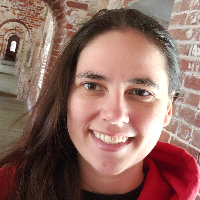
About Melanie
Melanie Brinson is a Licensed Clinical Mental Health Counselor (LCMHC) in North Carolina with nine years of experience. She works with concerns such as depression, anxiety, stress, grief, parenting struggles, relationship and family issues, and ADHD. Melanie also supports people dealing with sleep problems, low self-esteem, coping with life changes, and compassion fatigue.
Her style emphasizes listening and practical steps. Sessions focus on clear goals and tools clients can use between meetings. She draws from cognitive behavioral techniques, motivational interviewing, and mindfulness to help people notice patterns and test small changes.
Melanie uses attachment-based ideas to look at how early relationships affect current behavior and feelings. She helps clients name what they want to change, and then outlines small, manageable steps toward those goals. Conversations often include identifying unhelpful thoughts, practicing calming skills, and trying new ways to communicate.
She has worked with a wide range of concerns including trauma and abuse, adoption and foster care questions, attachment issues, blended family dynamics, domestic violence, and family of origin topics. Other focuses include abandonment, body image, codependency, commitment and control issues, and disruptive mood dysregulation concerns.
In sessions, Melanie may incorporate mindfulness exercises and motivational techniques to support decision-making. People can expect straightforward discussion, practical suggestions, and a focus on building skills they can use day to day.
How Melanie Uses Therapeutic Approaches Online
Melanie commonly uses cognitive behavioral therapy to help identify unhelpful thoughts and test new behaviors. CBT sessions typically involve setting clear goals, practicing skills, and reviewing what's working between meetings. Mindfulness therapy is used to teach simple awareness and grounding exercises that reduce reactivity and improve sleep and stress management.She also draws on attachment-based ideas to look at patterns in relationships and how they affect mood and behavior. These discussions help clarify expectations in relationships and improve communication. Deciding on an approach is collaborative; the therapist and client review needs, goals, and preferences and then try methods that fit best.
Session formats are not specified here, so confirm current online session options before booking. Online work can make it easier to fit sessions into a busy week, allow shorter check-ins when needed, and avoid travel time. It can also let clients use video or phone choices depending on bandwidth or comfort, and supports continuing work through life transitions without requiring an in-person visit.
Areas of expertise
Primary focus
Also works with
Additional focus areas
Therapeutic approaches
Experience
9+ years
Credentials
North Carolina
Languages
English
Frequently asked questions
What concerns does she address?
She works with depression, anxiety, stress, grief, parenting and relationship issues, ADHD, sleep problems, and compassion fatigue.
What is her therapeutic approach and style?
Her approach combines client-centered listening with cognitive behavioral tools, mindfulness, and motivational interviewing to set concrete goals and skills.
How much experience does she have?
She has nine years of experience as a Licensed Clinical Mental Health Counselor in North Carolina.
Where is she licensed and located?
She holds an NC LCMHC credential and practices in North Carolina.
Which languages are supported?
Sessions are offered in English.
Does she work with international clients?
International clients are not currently accepted.
How are sessions paid for?
Cost varies by location and sessions use a subscription that can be canceled at any time.
How do I begin with her?
Click the See online therapy options button, complete a short matching questionnaire, and schedule a first session.
Before you reach out
- Check that the state license on record covers the state you live in.
- You do not need a diagnosis or the right words. Saying "my mood has been up and down" or "I have felt low for weeks" is a fine place to start.
- Counselors offer talking support. Questions about medication belong with a doctor or psychiatrist, and the two can go side by side.
- A profile shows the topics a counselor lists; it is not a diagnosis or a promise of any result.
If you feel unsafe right now, call or text 988, or call 911.