- CBT methods
- DBT skills
- EMDR work
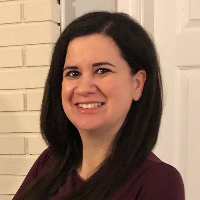
About Meryl
Meryl Galvan is a Licensed Mental Health Counselor (LMHC) in Florida with 12 years of experience. She works with people facing depression, anxiety, mood swings, trauma, grief, relationship strain, and stress-related concerns. Meryl also addresses issues like addiction, sleep problems, anger, self-esteem, and parenting stresses.
She takes a direct and practical approach in sessions. Meryl helps people build coping skills, gain insight, and work toward clearer resolutions. Sessions focus on concrete steps and skills rather than long, abstract discussion.
Meryl uses evidence-informed methods such as Cognitive Behavioral Therapy, Dialectical Behavior Therapy, EMDR, mindfulness, and motivational interviewing. She blends these to fit what each person needs and to help with symptoms like panic, mood instability, or intrusive memories.
Before becoming a clinician she earned a Bachelor of Psychology and a Master of Counseling Psychology from the University of West Florida. She holds the Florida LMHC credential and has experience supervising clinical teams in outpatient settings.
In practice she balances goal-focused work with skill building. Typical work includes teaching coping strategies, practicing emotional regulation, addressing substance-related issues, and processing traumatic events. People often leave sessions with a short plan they can try between meetings.
Meryl offers therapy in English and does not take international clients. If someone is considering a first session, she asks they complete the site intake and matching steps to schedule an initial appointment.
How her approaches translate to online work
Meryl uses Cognitive Behavioral Therapy to identify unhelpful thoughts and test new behaviors, which helps with depression, anxiety, and mood swings. She also uses Dialectical Behavior Therapy skills to teach emotional regulation, distress tolerance, and interpersonal effectiveness for people who feel overwhelmed or reactive. EMDR is used to process distressing memories and reduce their emotional intensity when trauma or intrusive memories are part of the problem.Choosing the right approach is part of the first few sessions. Meryl will work collaboratively to match methods to a person's goals, symptoms, and preferences rather than applying a single technique. That means plans can shift as progress is made and new priorities emerge.
Session formats are not specified in the biography, so confirm current online options before booking. Online work can make it easier to fit sessions into a busy week, allow shorter check-ins when needed, and let someone join from a quieter setting without a commute. Therapists can use skills practice, structured CBT worksheets, DBT coaching tools, or guided EMDR procedures adapted for remote work to keep sessions practical and focused.
Areas of expertise
Primary focus
Also works with
Additional focus areas
Therapeutic approaches
Experience
12+ years
Credentials
Florida
Languages
English
Frequently asked questions
What concerns does she help with?
Meryl supports people dealing with depression, anxiety, mood disorders, trauma, grief, relationship strain, and related stressors.
What methods does she use in sessions?
She practices Cognitive Behavioral Therapy, Dialectical Behavior Therapy, EMDR, mindfulness techniques, and motivational interviewing to address symptoms and build skills.
How much clinical experience does she have?
She has 12 years of clinical experience working with adults and has supervised outpatient clinical teams.
What are her credentials and where is she based?
She is a Florida Licensed Mental Health Counselor (FL LMHC) practicing from Florida.
Which languages are supported?
Sessions are offered in English.
Does she accept international clients?
International clients are not currently accepted.
How are session costs handled?
Cost varies with location and sessions use a subscription that can be canceled at any time.
How do I get started with a first session?
Use the See online therapy options button, complete a short matching questionnaire, and schedule a first session.
Before you reach out
- Check that the state license on record covers the state you live in.
- You do not need a diagnosis or the right words. Saying "my mood has been up and down" or "I have felt low for weeks" is a fine place to start.
- Counselors offer talking support. Questions about medication belong with a doctor or psychiatrist, and the two can go side by side.
- A profile shows the topics a counselor lists; it is not a diagnosis or a promise of any result.
If you feel unsafe right now, call or text 988, or call 911.