- Depression and bipolar
- Anxiety and stress
- Trauma and abuse
About Michael
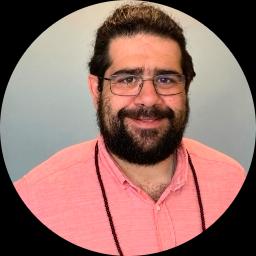
Michael Moreschi is a Licensed Mental Health Counselor (LMHC) in Florida with six years of experience. He works with people dealing with depression, anxiety, stress, trauma, and mood disorders, and with those facing major life changes like divorce or grief. He speaks English and practices in Florida.
He helps people who feel stuck, overwhelmed, or up and down in their mood by focusing on practical steps. Sessions often include talking through current problems, learning skills to manage intense feelings, and improving communication with others. Michael pays attention to safety and to patterns that keep problems going.
His background includes supporting a wide range of concerns beyond mood, such as panic, obsessive-compulsive behaviors, social anxiety, sexual concerns, and addiction. He also works with issues around codependency, commitment, and nontraditional relationship structures. He has experience addressing men’s issues, midlife transitions, postpartum depression, and LGBTQ+ concerns including gender dysphoria.
In sessions he aims to help clients build more self-kindness, reduce isolation, and process past abuse or traumatic experiences at a pace they can manage. He will also help people develop clear strategies for coping with life changes and communication problems. The focus is on concrete changes and clearer daily routines.
For people thinking about starting, the usual process is to answer a short matching questionnaire and schedule a first session. Costs vary with location and are provided through a subscription that can be canceled at any time.
How therapeutic approaches guide online work
Michael describes his practice as using evidence-based therapeutic techniques to help people manage mood and life transitions. One common approach focuses on teaching concrete coping skills for anxiety and depression, such as strategies to reduce overwhelming thoughts and stabilize daily routines. These tools help with panic, low mood, and problems that come from unpredictable mood shifts.Another approach centers on trauma-informed care, where the work moves at the client’s pace to process past abuse and reduce its ongoing impact. This involves grounding techniques, paced discussion of difficult memories, and planning to reduce triggers that lead to intense emotional reactions.
Finding the right approach is part of the work together. The therapist will collaborate with each person to choose methods that match their goals, needs, and comfort level, and will adjust those methods over time as progress and preferences become clearer.
Session formats are not listed in the biography, so confirm current options before booking. Online work can make it easier to fit sessions into a busy life, allow shorter check-ins when needed, and reduce travel time. It also lets clients use phone-only or lower-bandwidth options when that better suits their schedule or available surroundings.
Areas of expertise
Primary focus
Additional focus areas
Experience
6+ years
Credentials
Florida
Languages
English
Frequently asked questions
What concerns does he help with?
He works with depression, bipolar tendencies, anxiety, stress, trauma, and coping with major life changes like divorce or grief.
What is his therapeutic style?
Sessions focus on practical skills, talking through current problems, and building routines that reduce mood swings and overwhelm.
How much experience does he have?
He has six years of clinical experience as a practicing counselor.
What are his credentials and location?
He is a Florida Licensed Mental Health Counselor (FL LMHC) practicing in Florida.
Which languages are supported?
Sessions are offered in English only.
Does he work with international clients?
He does not accept international clients at this time.
How are sessions arranged and paid for?
Costs vary by location and are managed through a subscription model that can be canceled at any time.
How do I begin working with him?
Start by selecting the See online therapy options button, completing a short matching questionnaire, and scheduling a first session.
Before you reach out
- Check that the state license on record covers the state you live in.
- You do not need a diagnosis or the right words. Saying "my mood has been up and down" or "I have felt low for weeks" is a fine place to start.
- Counselors offer talking support. Questions about medication belong with a doctor or psychiatrist, and the two can go side by side.
- A profile shows the topics a counselor lists; it is not a diagnosis or a promise of any result.
If you feel unsafe right now, call or text 988, or call 911.