- Stress and anxiety
- Trauma and abuse
- Self esteem
About Octazia
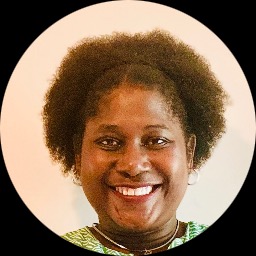
Octazia Short is a Licensed Clinical Social Worker (LCSW) in North Carolina with 10 years of professional experience. She works with people who are dealing with stress, anxiety, trauma and abuse, low mood, self-esteem struggles, and major life changes. Octazia speaks English and accepts clients from outside the United States.
She focuses on practical, conversational therapy that helps people get through hard days and regain a clearer sense of direction. Sessions involve talking through recent problems, identifying unhelpful patterns, and testing small changes that can ease daily strain. People often come with worry, feelings of isolation, trouble handling change, or repeated relationship and attachment concerns.
Octazia has spent time helping people navigate issues such as abandonment, caregiver stress, blended family challenges, divorce and separation, and the fallout from disaster or deployment. She also addresses guilt, shame, impulse control, and questions about life purpose. Her approach is evidence-based and grounded in real-world problem solving.
She describes the work as a collaborative effort. She listens to what matters most, then adjusts the focus and pace to match a person's situation. That may mean brief skills work one week and deeper reflection the next.
If someone is unsure how to begin, she recommends completing a short matching questionnaire and scheduling an initial session to see how the fit feels. Sessions use a subscription that can be canceled at any time.
Evidence-based approaches and online sessions
Octazia uses evidence-based therapeutic techniques to address mood, anxiety, and trauma-related concerns. One approach focuses on identifying patterns that keep problems going and testing small behavioral changes to reduce distress; this helps people break out of repetitive reactions and try new ways of coping. Another approach emphasizes talking through painful experiences and their effects on current relationships and mood, so someone can better recognize triggers and respond differently. Finding the right approach often takes a few sessions. Octazia works collaboratively to decide what methods fit best, considering each person's needs, goals, and preferences. She will adjust focus and pace as the work progresses rather than sticking to a single method from the start. Session formats are not listed in the biography, so confirm current options before booking. In general, online therapy can make it easier to fit appointments into a busy life, reduce travel, and allow shorter check-ins when schedules are tight. Licensed professionals can use different formats to match practical needs, and this therapist will discuss which arrangement works best during initial contact.Areas of expertise
Additional focus areas
Experience
10+ years
Credentials
North Carolina
Languages
English
Frequently asked questions
What concerns does she address?
She works with stress, anxiety, trauma and abuse, depression, self-esteem issues, and people coping with life changes.
What is her therapeutic style?
She uses evidence-based therapeutic techniques focused on practical conversation, identifying patterns, and trying small changes to reduce daily strain.
How much experience does she have?
She has 10 years of professional work experience in behavioral health settings.
What are her credentials and where is she located?
She is an LCSW licensed in North Carolina and practices under that credential.
Which languages are supported?
Sessions are offered in English.
Does she work with clients outside the United States?
She accepts international clients; confirm any time zone or payment details before booking.
How are sessions billed?
Sessions use a subscription model that can be canceled at any time; cost varies with location.
How do I get started?
Click the See online therapy options button, complete a short matching questionnaire, and schedule a first session.
Before you reach out
- Check that the state license on record covers the state you live in.
- You do not need a diagnosis or the right words. Saying "my mood has been up and down" or "I have felt low for weeks" is a fine place to start.
- Counselors offer talking support. Questions about medication belong with a doctor or psychiatrist, and the two can go side by side.
- A profile shows the topics a counselor lists; it is not a diagnosis or a promise of any result.
If you feel unsafe right now, call or text 988, or call 911.