- Depression and anxiety
- Attachment focused work
- Mindfulness and CBT
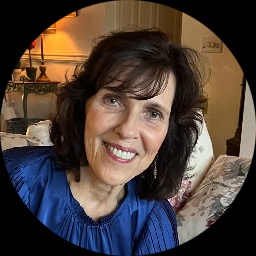
About Patricia
Patricia Bartley is an LCMHC (Licensed Clinical Mental Health Counselor) based in North Carolina with 22 years of clinical experience. She works with people facing depression, anxiety, stress, relationship difficulties, grief, and issues with self-esteem. Patricia describes mood disorders and panic as areas she often addresses in sessions.
She uses a client-centered stance and draws on mindfulness in her work. Sessions focus on talking through feelings and on practical ways to respond to difficult thoughts and emotions. Patricia pays attention to patterns in communication and connection that shape daily life.
Many sessions explore attachment wounds, shame, and guilt. She also helps people who feel isolated or who are struggling to find life purpose or to practice forgiveness. Conversations may include tools for coping with panic symptoms, seasonal low mood, or postpartum depression when these are relevant.
Patricia aims to be straightforward and respectful in sessions. She encourages honest talk about what is happening now and what a person wants to change. The emphasis is on clear steps and small changes that can reduce distress and improve day-to-day functioning.
Her background includes long experience supporting adults through transitions and losses. People can expect a focus on emotions and on practical strategies drawn from cognitive behavioral ideas and mindfulness practices. Patricia works in English and her practice is based in North Carolina.
How her methods translate to online work
Attachment-based work looks at patterns in close relationships and how early connection affects current feelings. Online sessions can identify attachment wounds and practice new ways of relating and communicating that reduce loneliness and mistrust.Client-centered therapy concentrates on the person's perspective and uses listening and reflection to clarify goals. In an online setting this can mean focused conversations about emotions, values, and what a person wants to change, with the therapist following the client's lead.
Finding the right approach is part of the work together. Patricia will collaborate with each client to decide whether attachment-focused conversations, client-centered listening, CBT tools, or mindfulness practices fit best with their needs and goals. That choice can shift as progress is made.
Session formats are not specified in the biography, so confirm current options before booking. Many people find online sessions easier to fit into their day, allow shorter check-ins when needed, and remove travel time. Online work supports using practical skills at home and practicing new ways of communicating between sessions.
Areas of expertise
Primary focus
Additional focus areas
Therapeutic approaches
Experience
22+ years
Credentials
North Carolina
Languages
English
Frequently asked questions
What concerns does she help with?
She works with depression, anxiety, stress, relationship problems, grief, self-esteem, and mood disorders, along with related issues such as panic and postpartum depression.
What is her therapeutic style?
Her style is client-centered with regular use of mindfulness. Sessions focus on discussing feelings and on practical ways to respond to difficult thoughts and emotions.
How much experience does she have?
Patricia has 22 years of clinical experience working with adults on mood and relationship concerns.
What are her credentials and location?
She is an LCMHC licensed in North Carolina and practices in that state.
Which languages are supported?
Sessions are offered in English only.
Does she work with international clients?
She does not accept international clients at this time.
How does cost and billing work?
Cost varies with location and sessions use a subscription model that can be canceled at any time.
How do I begin a first session?
Select the See online therapy options button, complete a short matching questionnaire, and schedule your first session.
Before you reach out
- Check that the state license on record covers the state you live in.
- You do not need a diagnosis or the right words. Saying "my mood has been up and down" or "I have felt low for weeks" is a fine place to start.
- Counselors offer talking support. Questions about medication belong with a doctor or psychiatrist, and the two can go side by side.
- A profile shows the topics a counselor lists; it is not a diagnosis or a promise of any result.
If you feel unsafe right now, call or text 988, or call 911.