- CBT techniques
- Mindfulness practice
- Narrative approaches
About Porsha
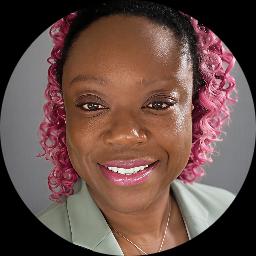
Porsha Coates is a Florida Licensed Mental Health Counselor (LMHC) with six years of clinical experience. She supports people facing stress, anxiety, ADHD-related challenges, mood fluctuations, family and parenting concerns, and issues around self-esteem and life purpose. Porsha draws on her background as a retired Senior Non-Commissioned Officer in the United States Air Force to understand high-stress environments and military-related concerns.
In session she takes a collaborative, person-centered approach. She helps people notice patterns in behavior and communication that contribute to emotional strain. Conversations focus on clear, practical steps - from communication skills to emotional regulation techniques.
Porsha uses a mix of methods including cognitive behavioral ideas, mindfulness practices, narrative work, and hypnotherapy when appropriate. She explains options plainly and helps people try techniques that fit their daily life. Sessions often include short exercises, skill practice, and reflection between meetings.
She has a Master of Science in Vocational Rehabilitation Counseling from the University of Hawaii and a bachelor’s degree in Psychology from the University of North Florida. Those academic experiences inform her attention to practical problem solving and goal-oriented work.
Porsha pays attention to cultural and military context when relevant. She supports people dealing with blended family issues, communication problems, impulsivity, forgiveness, and young adult transitions. Her work also addresses co-morbidity and multicultural concerns with straightforward strategies.
How her approaches translate to online sessions
Porsha commonly uses client-centered work and cognitive behavioral techniques in her sessions. Client-centered work focuses on the person’s perspectives and goals, with the therapist listening closely and reflecting what they notice. CBT involves identifying unhelpful thoughts and testing small behavior changes to reduce anxiety and low mood.She also integrates mindfulness practice to help with emotional regulation and attention. Mindfulness exercises teach simple ways to notice thoughts and bodily sensations so people can respond rather than react. These approaches are useful for stress, mood shifts, and ADHD-related difficulties.
Finding the right approach is part of the process. Porsha will work collaboratively to decide which methods fit a person’s needs, goals, and day-to-day life, and she adjusts techniques as those needs change.
Session formats are not specified here, so please confirm current options before booking. Online work can make it easier to fit meetings into a busy schedule, allow shorter check-ins when time is tight, and reduce travel time. When choosing how to meet, think about what helps with focus and comfort, such as quieter surroundings or not needing to be on camera, and discuss those preferences when scheduling.
Areas of expertise
Primary focus
Also works with
Additional focus areas
Therapeutic approaches
Experience
6+ years
Credentials
Florida
Languages
English
Frequently asked questions
What concerns does she work with?
Porsha supports people with stress, anxiety, ADHD-related challenges, mood disorders, family and parenting concerns, and self-esteem issues.
What methods does she use in sessions?
She uses client-centered conversation alongside cognitive behavioral techniques, mindfulness, narrative work, and hypnotherapy as part of practical skills work.
How long has she been practicing?
She has six years of experience as a mental health counselor.
What credential does she hold and where is she based?
She is a Florida LMHC and practices from Florida.
Which languages are supported for sessions?
Sessions are offered in English.
Does she work with international clients?
International clients are not currently accepted.
How does payment and cost work?
Cost varies with location; sessions use a subscription that can be canceled at any time.
How do I begin a first session?
Select the See online therapy options button, complete a short matching questionnaire, and schedule a first session.
Before you reach out
- Check that the state license on record covers the state you live in.
- You do not need a diagnosis or the right words. Saying "my mood has been up and down" or "I have felt low for weeks" is a fine place to start.
- Counselors offer talking support. Questions about medication belong with a doctor or psychiatrist, and the two can go side by side.
- A profile shows the topics a counselor lists; it is not a diagnosis or a promise of any result.
If you feel unsafe right now, call or text 988, or call 911.