- Client-Centered Therapy
- Cognitive Behavioral Therapy
- Solution-Focused methods
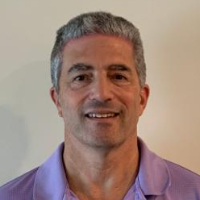
About Ralph
Dr. Ralph Levinson is a Licensed Clinical Social Worker (LCSW) in Florida with 35 years of experience helping adults who struggle with mood changes, long low periods, and stress-related problems. He works with people facing depression, bipolar mood shifts, anxiety, grief, and life adjustments. He also helps with parenting concerns and relationship difficulties as they affect individual wellbeing.
His approach combines client-centered therapy and cognitive behavioral techniques to focus on practical change. He listens to what matters most, then uses clear steps to shift unhelpful thinking and behavior. Motivational interviewing is used when people want to find personal reasons to change, and solution-focused methods help set short-term goals.
Levinson draws on long experience supporting adults and older adults through bereavement, divorce adjustment, blended family challenges, and the stresses of caregiving and aging. He describes sessions that invite active participation, including experiential exercises when helpful. He avoids jargon and aims to make sessions straightforward and concrete.
He trained at Barry University (MSW) and earned a doctorate from Nova Southeastern University. He has been involved with the National Association of Social Workers and has served as a school social work representative in Broward County. Outside work he enjoys films, music, sports, and occasional video games.
People who choose him can expect direct conversation about coping strategies, concrete behavioral tasks between sessions, and collaborative problem solving focused on improving day-to-day mood and functioning.
How his approaches are used in online sessions
Dr. Levinson uses client-centered therapy to focus on the person's experience and priorities, encouraging open conversation and listening for what matters most. Cognitive Behavioral Therapy (CBT) targets specific thoughts and behaviors, breaking problems into manageable steps and practical exercises useful for mood and anxiety concerns. Motivational Interviewing helps people clarify personal reasons for change and build small achievable goals.Choosing the right approach is part of the work together. He will talk with each person about their goals and preferences, and then recommend which methods to use. That decision is collaborative and can be adjusted as sessions proceed.
Session formats were not specified in the biography, so confirm current session options before booking. Online sessions can help fit therapy into a busy life by reducing travel time, allowing shorter check-ins when schedules are tight, and making it easier to attend from different locations. These practical benefits can make it simpler to keep regular appointments and follow through on agreed tasks between meetings.
Areas of expertise
Primary focus
Also works with
Additional focus areas
Therapeutic approaches
Experience
35+ years
Credentials
Florida
Languages
English
Frequently asked questions
What kinds of mood concerns does he help with?
He works with adults facing depression, bipolar mood shifts, anxiety, stress, grief, and coping with life changes.
What is his therapeutic style like?
He uses client-centered conversation alongside cognitive behavioral techniques and solution-focused methods to set concrete goals and changes.
How much experience does he have?
He has 35 years of clinical experience working with adults and older adults on grief, family adjustment, and mood concerns.
What are his credentials and where is he located?
He is a Licensed Clinical Social Worker (LCSW) licensed in Florida and practices from Florida.
Which languages are sessions offered in?
Sessions are offered in English.
Does he work with international clients?
He does not accept international clients at this time.
How are costs and billing handled?
Cost varies by location and sessions use a subscription that can be canceled at any time.
How do I begin a first session?
Select the See online therapy options button, complete a short matching questionnaire, and schedule a first session.
Before you reach out
- Check that the state license on record covers the state you live in.
- You do not need a diagnosis or the right words. Saying "my mood has been up and down" or "I have felt low for weeks" is a fine place to start.
- Counselors offer talking support. Questions about medication belong with a doctor or psychiatrist, and the two can go side by side.
- A profile shows the topics a counselor lists; it is not a diagnosis or a promise of any result.
If you feel unsafe right now, call or text 988, or call 911.