- CBT
- Mindfulness
- Motivational Interviewing
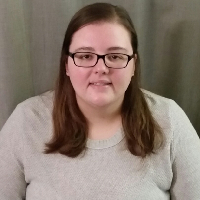
About Reegan
Reegan Koppelman is a Florida LMHC - Licensed Mental Health Counselor with eight years of practice experience. She lists stress, anxiety, depression, trauma and abuse, LGBT concerns, coping with life changes, and addictions among the issues she addresses. Reegan also notes work related to bipolar disorder, ADHD, relationship and family concerns, grief, intimacy-related problems, parenting and self-esteem.
She trained in a master's program in Mental Health Counseling and began her clinical work in a clinic serving both mental health and substance use needs. Early clinical roles involved in-person care, and she moved toward online practice beginning in 2017 to better reach LGBTQIA+ people and women affected by trauma. Her background includes work with nervous system dysregulation and chronic illness support.
Reegan uses Cognitive Behavioral Therapy and Motivational Interviewing as starting frameworks, and she also practices Client-Centered Therapy and Mindfulness techniques. She describes a preference for taking extra time to build rapport and a working relationship, adapting methods to what a person needs in session. She identifies as neurodivergent-affirming and says she continues to expand her knowledge in that area.
In sessions she will talk through coping strategies, stress management, and ways to approach difficult feelings after loss or change. She also addresses issues connected to adoption and foster care, abandonment, blended family challenges, caregiver stress, dissociation, and domestic violence. Reegan lists additional focus areas such as fertility issues, family of origin matters, and gender dysphoria.
She notes that she communicates frequently with clients through written exchanges as part of her online work. Cost varies with location and sessions use a subscription that can be canceled at any time. To begin, a person is asked to complete a short matching questionnaire and then schedule a first session.
How her approaches translate to online work
Reegan commonly draws on Cognitive Behavioral Therapy and Client-Centered Therapy when working online. CBT focuses on identifying and changing unhelpful thought and behavior patterns, which can help with low mood, anxiety, and stress by teaching practical skills and behavioral experiments. Client-Centered Therapy emphasizes building a trusting relationship and listening carefully, which supports people who need extra time to feel heard and to work through trauma and identity concerns.Finding the right approach is collaborative. She will work together with a person to choose methods that fit their goals, comfort level, and current needs, and she may adjust strategies as work progresses. That collaborative planning is part of the early sessions.
The biography describes a move to online practice and frequent written exchanges with clients, but it does not list specific session formats in detail. Confirm the exact session options and scheduling windows before booking so they match daily routines. Online care can make it easier to fit sessions into a busy week, allow shorter check-ins when needed, and reduce travel time, which helps people maintain continuity of care while managing work and family commitments.
Areas of expertise
Primary focus
Also works with
Additional focus areas
Therapeutic approaches
Experience
8+ years
Credentials
Florida
Languages
English
Frequently asked questions
What kinds of concerns does she work with?
She lists stress, anxiety, depression, trauma and abuse, LGBT issues, addictions, bipolar symptoms, ADHD, relationship and family concerns, grief, parenting issues, and related areas.
What is her therapeutic style?
She starts from Cognitive Behavioral Therapy and Motivational Interviewing and also uses Client-Centered and Mindfulness approaches, adapting methods to each person's needs.
How much clinical experience does she have?
She has eight years of professional experience following completion of her master's degree in Mental Health Counseling.
Where is she licensed and based?
She is a Florida LMHC and practices from Florida.
Which languages are supported?
Sessions are offered in English and she accepts international clients.
What session formats are available?
The original biography describes online work and written exchanges; please confirm current session formats and scheduling options before booking.
How are fees handled?
Cost varies with location and sessions use a subscription model that can be canceled at any time.
How do I begin a first session?
Use the See online therapy options button, complete a short matching questionnaire, and then schedule your first session.
Before you reach out
- Check that the state license on record covers the state you live in.
- You do not need a diagnosis or the right words. Saying "my mood has been up and down" or "I have felt low for weeks" is a fine place to start.
- Counselors offer talking support. Questions about medication belong with a doctor or psychiatrist, and the two can go side by side.
- A profile shows the topics a counselor lists; it is not a diagnosis or a promise of any result.
If you feel unsafe right now, call or text 988, or call 911.