- Depression and anxiety
- Addiction recovery support
- CBT and DBT methods
About Rhonda
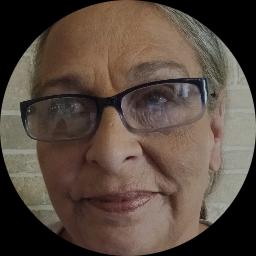
Rhonda McEntire is a Florida licensed mental health counselor (LMHC) with 25 years of experience working with adults around depression, anxiety, stress, and addiction. She helps people who feel stuck by talking through what they are experiencing and identifying practical next steps. Rhonda also supports clients coping with bipolar mood shifts and life changes that affect daily functioning.
Her approach begins with listening and getting a clear picture of what feels most urgent. She uses client-centered methods to follow each person’s concerns and combines those with cognitive behavioral techniques to spot unhelpful thinking patterns. Dialectical behavior therapy (DBT) skills and mindfulness practices are added when emotional regulation and coping skills are needed.
Rhonda also brings motivational interviewing into work with people facing substance use and behavior change. That helps people clarify values and build motivation for gradual change. She frames goals in small, doable steps rather than all-or-nothing plans.
Across 25 years she has worked with many issues tied to family origin, adoption and foster care experiences, chronic illness and pain, codependency, dissociation, divorce, and loss. She lists gender dysphoria and fatherhood issues among areas she addresses when relevant to an individual's concerns.
Sessions are conducted in English and she accepts international clients. Costs vary by location and use a subscription that can be canceled at any time. To begin, prospective clients complete a short matching questionnaire and schedule a first session.
Therapeutic approaches used in online sessions
Rhonda commonly uses client-centered therapy, which focuses on active listening and responding to what each person brings to a session. This approach helps people feel heard and helps shape goals based on their priorities.She also applies cognitive behavioral therapy (CBT) to identify and change unhelpful thoughts and behaviors. CBT is useful for low mood, anxiety, and patterns that keep someone stuck. When emotional regulation or intense mood swings are present she may incorporate dialectical behavior therapy (DBT) skills, which teach practical tools for managing strong emotions and reducing impulsive responses.
Choosing the right approach is a collaborative process. Rhonda will discuss options with clients, try techniques, and adjust plans based on progress, needs, and preferences. The emphasis is on what helps most in day-to-day life rather than sticking to one method.
Confirm the exact session formats offered before booking, as they are not specified here. Online work can make it easier to fit appointments into a busy schedule, shorten check-ins when needed, or avoid travel time. Many people find that remote sessions allow them to use learned skills between meetings and maintain continuity of care while balancing other commitments.
Areas of expertise
Also works with
Additional focus areas
Therapeutic approaches
Experience
25+ years
Credentials
Florida
Languages
English
Frequently asked questions
What concerns does she address?
She works with depression, anxiety, stress, addiction, bipolar mood shifts, and coping with life changes. Additional areas include adoption and foster care, chronic illness and pain, codependency, and family origin issues.
What therapeutic style does she use?
Rhonda blends client-centered therapy with cognitive behavioral techniques. She also uses DBT skills, mindfulness, and motivational interviewing when those approaches fit the case.
How much experience does she have?
She has 25 years of clinical experience working with adults on mood, addiction, and related life challenges.
What are her credentials and location?
She is a Florida LMHC and practices from Florida. The credential is listed as LMHC.
Which languages are supported for sessions?
Sessions are offered in English.
Can people outside the U.S. work with her?
She accepts international clients. Confirm any regional considerations before booking.
How are session costs handled?
Costs vary by location and are billed through a subscription model that can be canceled at any time.
How do I get started?
Select the See online therapy options button, complete a short matching questionnaire, and schedule a first session.
Before you reach out
- Check that the state license on record covers the state you live in.
- You do not need a diagnosis or the right words. Saying "my mood has been up and down" or "I have felt low for weeks" is a fine place to start.
- Counselors offer talking support. Questions about medication belong with a doctor or psychiatrist, and the two can go side by side.
- A profile shows the topics a counselor lists; it is not a diagnosis or a promise of any result.
If you feel unsafe right now, call or text 988, or call 911.