- Stress and depression
- CBT and ACT methods
- Relationship issues
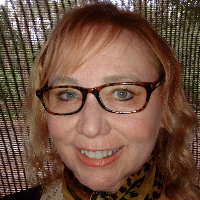
About Sandra
Sandra Treston is a Licensed Mental Health Counselor (FL LMHC) with 15 years of experience helping adults manage stress, anxiety, depression, mood swings, and addiction-related concerns. She works with people facing grief, trauma, relationship and intimacy issues, and those coping with big life changes. Sandra focuses on practical support and clear steps rather than theory alone.
Her sessions center on listening and building skills that fit everyday life. She uses methods from cognitive behavioral therapy and acceptance and commitment therapy to help people notice unhelpful thoughts and take action toward valued goals. Dialectical behavior therapy and emotionally-focused approaches are also part of her practice when emotions and relationships need attention.
Sandra takes a strengths-based stance. She helps people identify what already works for them and add new coping tools. Work in session includes problem-solving, developing emotion regulation skills, and practicing different ways of communicating when relationships feel strained.
She has worked in a variety of settings over 15 years and brings that experience to sessions with adults in Florida. Clients can expect straightforward talk, skills practice, and a focus on manageable steps for change. Sandra uses evidence-informed techniques rather than quick fixes.
Sessions address a wide range of concerns that feed into low mood and instability, including body image, codependency, substance use, guilt and shame, loneliness, and issues around life purpose. Her aim is to help people move from stuck patterns toward clearer choices and steadier moods.
How Sandra’s approaches are used in online care
Acceptance and Commitment Therapy (ACT) focuses on clarifying personal values and taking small actions toward them. It helps when low mood or worry keeps someone stuck and avoids goals they care about. Cognitive Behavioral Therapy (CBT) looks at the link between thoughts, feelings, and behaviors and uses practical exercises to change patterns that maintain depression or anxiety. Dialectical Behavior Therapy (DBT) teaches emotion regulation and distress-tolerance skills for intense mood swings and strong reactions.Choosing the right approach is part of the work. Sandra will collaborate with each person to decide which methods fit their needs, goals, and preferences. That decision can change over time as goals shift and skills build.
Session formats are not specified in the biography, so confirm current options before booking. Online sessions can make it easier to fit therapy into a busy week, require less travel, and allow shorter check-ins when schedules demand it. Working remotely still focuses on practical skills practice, emotion regulation exercises, and communication work adapted for the session format chosen.
Areas of expertise
Also works with
Additional focus areas
Therapeutic approaches
Experience
15+ years
Credentials
Florida
Languages
English
Frequently asked questions
What concerns does she work with?
Sandra supports adults with stress, anxiety, depression, mood disorders, addictions, trauma, relationship and intimacy issues, grief, anger, and coping with life changes.
What is her therapeutic style?
She takes a strengths-based, practical approach focused on skills practice and problem-solving. Sessions emphasize noticing thoughts, managing emotions, and trying new behaviors.
How much experience does she have?
She has 15 years of clinical experience working with adults in multiple settings.
What are her credentials and where is she located?
She is a Licensed Mental Health Counselor, FL LMHC, and practices in Florida.
Which languages are offered in sessions?
Sessions are offered in English.
Can international clients work with her?
She is not currently accepting international clients.
What session formats are used?
Confirm current session options before booking, as format details are not specified here.
How are costs handled and how do I begin?
Cost varies with location and sessions use a subscription that can be canceled at any time. To start, select the See online therapy options button, complete the short matching questionnaire, and schedule a first session.
Before you reach out
- Check that the state license on record covers the state you live in.
- You do not need a diagnosis or the right words. Saying "my mood has been up and down" or "I have felt low for weeks" is a fine place to start.
- Counselors offer talking support. Questions about medication belong with a doctor or psychiatrist, and the two can go side by side.
- A profile shows the topics a counselor lists; it is not a diagnosis or a promise of any result.
If you feel unsafe right now, call or text 988, or call 911.