- Addictions
- Depression and bipolar
- Anxiety and stress
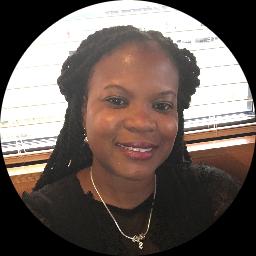
About Selma
Selma Smith is a Licensed Clinical Mental Health Counselor (LCMHC) in North Carolina with 11 years of experience. She works with adults on concerns such as addictions, depression, bipolar symptoms, anxiety, grief, and sleep problems. She also helps people dealing with parenting strain, career stress, and major life changes.
In sessions she talks through practical steps to manage stress and build motivation. She addresses self-esteem and confidence by focusing on small, doable changes. For people coping with trauma, abuse, or domestic violence she offers steady, direct support and attention to safety and pacing.
Selma also works with issues connected to family disruption such as abandonment, adoption and foster care, and fatherhood challenges. She supports caregivers facing stress, and first responders managing job-related strain. Substance use and addictions are part of her practice alongside recovery-oriented conversations and relapse prevention planning.
Her background includes 11 years in clinical settings helping adults navigate life transitions and ongoing mood difficulties. She uses evidence-based therapeutic techniques and adapts her approach to a person’s goals and day-to-day realities. Sessions focus on clear strategies, problem-solving, and building habits that fit into regular life.
Clients choose her to address both long-standing patterns and immediate problems. She asks about what is working now and what the person wants to change, then designs a plan with concrete steps. The first meeting is used to set goals and outline next steps.
How evidence-based techniques translate to online care
Many evidence-based approaches focus on skills you can practice between sessions. Cognitive methods look at unhelpful thinking and teach clearer ways to think and act, which can help with depression, anxiety, and mood swings. Behavioral strategies break down goals into small actions and routines to improve sleep, increase activity, and reduce substance use triggers.Finding the right therapeutic approach is part of the work together. The therapist will collaborate with the client to pick methods that match the person’s goals, daily schedule, and preferences. That initial collaboration includes reviewing what has helped before and trying approaches that feel manageable.
The practical benefits of working online include fitting sessions into a busy week and keeping momentum between visits. The biography does not list specific session formats, so confirm current options before booking. Online work can make it easier to check in during a break, do shorter follow-ups, or continue care when life circumstances change, while the therapist and client adjust the pace and tools to what works best.
Areas of expertise
Also works with
Additional focus areas
Experience
11+ years
Credentials
North Carolina
Languages
English
Frequently asked questions
What kinds of concerns does she help with?
She works with adults on addictions, depression, bipolar symptoms, anxiety, grief, sleep problems, and life transitions.
What is her therapeutic style?
She uses evidence-based techniques and focuses on practical steps, problem-solving, and building daily habits that support mood and coping.
How much experience does she have?
She has 11 years of professional experience working with adults in clinical settings.
What are her credentials and where is she based?
She is an LCMHC licensed in North Carolina and practices there.
Which languages does she offer sessions in?
Sessions are offered in English.
Can people outside the US work with her?
International clients are not currently accepted; sessions are for clients within her licensure scope.
What are the session formats?
Session formats are not specified in the biography; confirm current session options before booking.
How does pricing and getting started work?
Cost varies by location and sessions use a subscription that can be canceled at any time. To begin, select the See online therapy options button, complete a short matching questionnaire, and schedule a first session.
Before you reach out
- Check that the state license on record covers the state you live in.
- You do not need a diagnosis or the right words. Saying "my mood has been up and down" or "I have felt low for weeks" is a fine place to start.
- Counselors offer talking support. Questions about medication belong with a doctor or psychiatrist, and the two can go side by side.
- A profile shows the topics a counselor lists; it is not a diagnosis or a promise of any result.
If you feel unsafe right now, call or text 988, or call 911.