- Client-Centered Therapy
- CBT and DBT tools
- Mindfulness practice
About Sharon
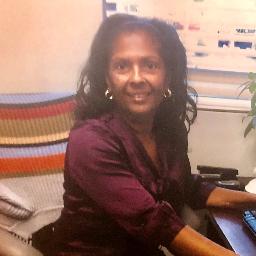
Sharon Mortimer is a Licensed Clinical Social Worker (LCSW) in Florida with 43 years of experience. She lists stress, anxiety, trauma and abuse, self-esteem concerns, depression, addictions, relationship worries, and family issues among the areas she addresses. She works with people who feel stuck by long low periods, mood swings, or rising irritability and wants to help them find clearer ways forward.
Sharon uses a mix of approaches to match each person's situation. She often draws on client-centered work to focus conversations on the person's priorities. Cognitive Behavioral Therapy (CBT) and Dialectical Behavior Therapy (DBT) tools are used to identify thought patterns and develop practical coping skills. Mindfulness practices are included to build moment-to-moment awareness.
She also references Emotionally-Focused Therapy ideas when relationship patterns are part of the concern. In sessions Sharon talks through interpersonal dynamics and helps people notice what keeps old patterns going. She emphasizes direct communication and skills practice rather than lengthy theory talks.
Sharon's long career has included work with many different populations and a sustained focus on the effects of abuse and trauma. That experience informs how she listens and structures sessions, especially when there is shame, guilt, isolation, or complex grief involved.
Her approach is collaborative and practical. Sessions aim to clarify immediate goals, try specific strategies, and check what is actually helping. People who want to address mood disorders, life purpose, midlife transitions, or lingering trauma may find this straightforward style helpful.
How her approaches translate to online work
Client-Centered Therapy focuses on listening and following the person's concerns. Online sessions can use that same listening-first approach to prioritize what matters now and set short-term goals.Cognitive Behavioral Therapy (CBT) helps people spot unhelpful thoughts and try small behavior changes. In virtual sessions Sharon can guide thought records, homework tasks, and step-by-step skill practice. Dialectical Behavior Therapy (DBT) adds emotion regulation and distress-tolerance skills useful for mood swings and intense feelings; a therapist can teach and role-play those skills during remote meetings.
Finding the right approach is part of the process. Sharon works collaboratively to decide which methods fit a person's goals and preferences, and adjusts the plan as progress is made. That way sessions focus on what is helpful rather than on a single fixed method.
The original biography does not list specific online formats, so confirm available session types before booking. In general, remote therapy can make it easier to fit sessions into a busy week, allow shorter check-ins when needed, and remove travel time. These practical benefits help people keep therapy consistent while they work on mood, relationships, and coping skills.
Areas of expertise
Primary focus
Also works with
Additional focus areas
Therapeutic approaches
Experience
43+ years
Credentials
Florida
Languages
English
Frequently asked questions
What concerns does she work with?
She lists stress, anxiety, trauma and abuse, self-esteem, depression, addictions, relationship issues, and family concerns, plus related topics such as mood disorders and isolation.
What therapeutic approaches does she use?
She uses a flexible mix including Client-Centered Therapy, Cognitive Behavioral Therapy (CBT), Dialectical Behavior Therapy (DBT), Emotionally-Focused Therapy (EFT), and Mindfulness Therapy to suit each person's needs.
How much experience does she have?
She has 43 years of professional experience in social work and related clinical settings.
What are her credentials and location?
She is an LCSW licensed in Florida and practices from that state.
Which languages are supported?
Sessions are offered in English, and she accepts international clients.
What session formats are available?
The original biography does not specify session formats; please confirm current session options before booking.
How does pricing work?
Cost varies with location, and sessions use a subscription that can be canceled at any time.
How do I begin a first appointment?
Select the See online therapy options button, complete a short matching questionnaire, and schedule a first session.
Before you reach out
- Check that the state license on record covers the state you live in.
- You do not need a diagnosis or the right words. Saying "my mood has been up and down" or "I have felt low for weeks" is a fine place to start.
- Counselors offer talking support. Questions about medication belong with a doctor or psychiatrist, and the two can go side by side.
- A profile shows the topics a counselor lists; it is not a diagnosis or a promise of any result.
If you feel unsafe right now, call or text 988, or call 911.