- Attachment based
- Client centered
- DBT informed
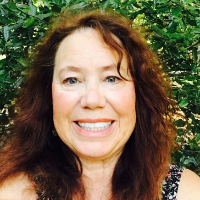
About Sherry
Sherry Friedman is a Licensed Professional Counselor, LPC, and a Licensed Clinical Mental Health Counselor, LCMHC, practicing in North Carolina with 12 years of experience. She lists mood disorders, depression, bipolar disorder, anxiety, trauma, and related concerns among the issues she addresses. She also notes work with parenting stress, relationship and family problems, grief, anger, self-esteem, career stress, ADHD, and compassion fatigue.
Sherry writes and draws on personal experience to inform her perspective. She has published a memoir that discusses sensitivity and neurodivergence and shares practical resources she sometimes introduces in sessions. Her background includes graduate training in school psychology, gifted education, and clinical counseling.
Her approach emphasizes attachment-based ideas, client-centered listening, and techniques from dialectical behavior therapy and emotionally focused work. She also incorporates Jungian concepts and mindfulness practices. In sessions she tends to listen for relational patterns, emotions, and the personal meanings that underlie repeated difficulties.
Sherry often brings practical tools into conversations, such as grounding, emotional regulation skills, and communication practices. She describes helping people recognize strengths, set boundaries, and manage mood swings or prolonged low periods. The focus is on what a person can do between sessions to feel steadier day to day.
People who prefer an exploratory, reflective style that still uses concrete skills may find her approach helpful. She practices in North Carolina and conducts work in English. Prospective clients should confirm current session options before booking and follow the site's steps to schedule a first appointment.
Therapeutic approaches used in online sessions
Attachment-based work looks at patterns of connection and trust in relationships. It helps people understand how past relationship experiences shape current reactions and mood swings. Client-centered therapy emphasizes listening and reflection; the therapist follows the person's lead and helps clarify what matters most in their life and emotional experience. Dialectical behavior therapy, or DBT, offers practical skills for managing strong emotions and improving day-to-day coping, such as distress tolerance and emotion regulation.Deciding which approach to use is a collaborative process. The therapist will talk with the client about current problems, goals, and preferences and then suggest approaches to try. Sessions can adapt over time as needs change, combining reflective exploration with concrete skills work when helpful.
Confirm the session formats Sherry currently offers before booking. Once confirmed, online work is often useful for fitting therapy into a busy week. It can reduce travel time, allow shorter check-ins on a lunch break, or make it easier to attend from another location. Clients and the therapist can agree on practical arrangements like session length and pacing so the work fits everyday life.
Areas of expertise
Primary focus
Also works with
Additional focus areas
Therapeutic approaches
Experience
12+ years
Credentials
North Carolina, South Carolina, Rhode Island
Languages
English
Frequently asked questions
What kinds of concerns does she address?
She lists mood disorders, depression, bipolar disorder, anxiety, trauma, parenting and relationship problems among her focus areas.
What is her therapeutic style?
She uses attachment-based and client-centered approaches with influences from DBT, emotionally focused work, Jungian ideas, and mindfulness practices.
How much experience does she have?
She has 12 years of clinical experience and graduate training in school psychology, gifted education, and clinical counseling.
What credentials does she hold and where is she located?
She is an LPC and an LCMHC and practices in North Carolina.
Which languages are supported?
Sessions are offered in English.
Can international clients work with her?
International clients are not currently accepted.
How are sessions paid for?
Cost varies with location and sessions use a subscription that can be canceled at any time.
How do I begin the process?
Select the See online therapy options button, complete the short matching questionnaire, and schedule a first session.
Before you reach out
- Check that the state license on record covers the state you live in.
- You do not need a diagnosis or the right words. Saying "my mood has been up and down" or "I have felt low for weeks" is a fine place to start.
- Counselors offer talking support. Questions about medication belong with a doctor or psychiatrist, and the two can go side by side.
- A profile shows the topics a counselor lists; it is not a diagnosis or a promise of any result.
If you feel unsafe right now, call or text 988, or call 911.