- Mindfulness based
- ACT and CBT
- Family and parenting
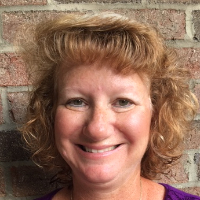
About Stephanie
Stephanie Bigham is a Licensed Clinical Social Worker (LCSW) in North Carolina with 20 years of experience. She works with stress, anxiety, depression, bipolar mood concerns, grief, relationship and family issues, and parenting challenges. She also supports people facing career changes, ADHD-related challenges, and other life transitions.
Stephanie studied sociology at the University of Florida and completed a Master of Social Work at Florida International University. She is a Supreme Court Certified Family Mediator and has worked in a variety of settings, including a mental health clinic serving people with developmental delays, a hospital NICU, respite programs, independent practice, and classrooms. Her background also includes time as a stay-at-home parent and as a substitute teacher for elementary grades.
Her work leans on mindfulness and acceptance-based cognitive behavioral methods. In sessions she helps people notice thoughts, feelings, and patterns without judgment. That awareness is used to reduce stress, manage mood shifts, and respond differently to hard situations.
Stephanie asks for active participation and collaborative planning. She often suggests short exercises or homework to practice skills between meetings and uses psychoeducation to help people learn practical coping tools. The aim is to build resilience and clearer choices when life feels overwhelming.
She helps with specific concerns such as parenting stress, family conflict, divorce-related problems, motivation and self-confidence, and coping with loss. People who want a practical, skills-focused approach that includes mindfulness and acceptance strategies may find her way of working fits their needs.
Approaches used in online sessions
Acceptance and Commitment Therapy (ACT) helps people notice unhelpful thoughts and choose actions that align with their values. It focuses on accepting difficult feelings while taking small steps toward what matters. Cognitive Behavioral Therapy (CBT) looks at the link between thoughts, feelings, and behavior and teaches concrete skills to change patterns that fuel low mood or anxiety. Dialectical Behavior Therapy (DBT) offers practical skills for managing strong emotions, improving distress tolerance, and handling interpersonal conflict.Finding the right approach is part of the work. Stephanie will collaborate with each person to choose methods that match their goals, symptoms, and daily life. That choice is reviewed and adjusted as needed rather than fixed up front.
Confirm the specific session formats before booking. This description does not assume which formats are offered. Online sessions can make it easier to fit therapy into weekday breaks, avoid travel time, or choose interactions that feel less intense than in-person meetings. For many people, working remotely lets them practice skills in their normal routine and bring real-life examples directly into sessions.
Areas of expertise
Primary focus
Also works with
Additional focus areas
Therapeutic approaches
Experience
20+ years
Credentials
North Carolina
Languages
English
Frequently asked questions
What kinds of concerns does she address?
She works with stress, anxiety, depression, bipolar mood concerns, grief, relationship and family issues, parenting challenges, career problems, ADHD-related struggles, and other life changes.
What is her therapeutic style?
She uses mindfulness and acceptance-based cognitive behavioral approaches with active collaboration and practical homework between sessions.
How long has she been practicing?
She has 20 years of clinical experience across clinics, hospitals, respite programs, independent practice, and school settings.
Where is she licensed to practice?
She is a Licensed Clinical Social Worker (LCSW) licensed in North Carolina.
Which languages are supported?
Sessions are offered in English.
Can international clients work with her?
She is not accepting international clients at this time.
How are costs handled?
Costs vary with location and sessions use a subscription that can be canceled at any time.
How do I begin a first session?
Select the See online therapy options button, complete the short matching questionnaire, and schedule a first session.
Before you reach out
- Check that the state license on record covers the state you live in.
- You do not need a diagnosis or the right words. Saying "my mood has been up and down" or "I have felt low for weeks" is a fine place to start.
- Counselors offer talking support. Questions about medication belong with a doctor or psychiatrist, and the two can go side by side.
- A profile shows the topics a counselor lists; it is not a diagnosis or a promise of any result.
If you feel unsafe right now, call or text 988, or call 911.