- CBT
- DBT skills
- Trauma focus
About Steven
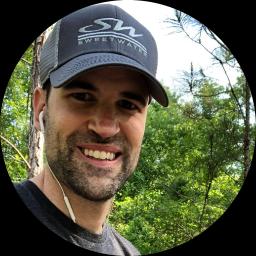
Steven Van Schaick is an LCSW (Licensed Clinical Social Worker) with 10 years of experience based in North Carolina. He works with adults facing stress, anxiety, depression, mood swings, trauma, addictions, and relationship and parenting concerns. He also addresses problems like panic, OCD symptoms, bipolar challenges, and coping with life changes.
He has spent much of his career working outside a traditional office setting. That work included residential treatment, inpatient psychiatric settings, and in-home counseling with people in high-risk situations. That background shaped his preference for practical, direct work that moves quickly when people need fast, focused help.
Steven uses a mix of evidence-informed methods such as cognitive behavioral techniques, dialectical behavior ideas, motivational interviewing, solution-focused thinking, and trauma-focused strategies. In sessions he balances problem-solving with deeper work when needed, and he aims to match the approach to what each person needs at the time.
He describes a range of contact styles from lighter counseling via messaging to more comprehensive therapy with live sessions. For people coping with strong symptoms or chronic stress, he will work to identify sustaining patterns and then develop manageable steps to change them. For others, he starts with brief conversations to help sort priorities.
Steven emphasizes practical tools and real-world experience. He draws on years of front-line practice to help people regain steadier mood, clearer thinking, and better day-to-day functioning. He asks people to be realistic about the work and to take next steps at a pace they can handle.
How therapeutic approaches are used online
Steven commonly uses cognitive behavioral therapy and trauma-focused therapy in his work. CBT breaks problems into thoughts, feelings, and actions, and uses practical steps to change unhelpful patterns. It is often used for anxiety, depression, panic, and mood-related problems. Trauma-focused therapy looks at how past events affect current reactions and teaches skills to process and reduce the hold of those memories.He also draws on dialectical behavior therapy ideas to teach emotion regulation and distress tolerance skills. Those techniques help people manage intense mood swings and reduce impulsive behaviors. Finding the right approach is part of the process - the therapist will talk with each person about goals and preferences and choose methods together that fit their needs.
The therapist’s biography does not list specific online formats, so confirm current session options before booking. Many people find online sessions easier to fit into busy days, allow for shorter check-ins when needed, or remove travel time. Online work can make it simpler to practice skills between sessions and to bring real-life situations into the conversation.
Areas of expertise
Primary focus
Also works with
Additional focus areas
Therapeutic approaches
Experience
10+ years
Credentials
North Carolina
Languages
English
Frequently asked questions
What kinds of problems does he help with?
He works with stress, anxiety, depression, mood swings, trauma, addictions, relationship and parenting concerns, and related issues like panic and OCD symptoms.
What approaches does he use in sessions?
He draws from cognitive behavioral therapy, dialectical behavior ideas, motivational interviewing, solution-focused techniques, and trauma-focused methods to match the work to the person.
How much clinical experience does he have?
He has 10 years of experience working in settings such as residential treatment, inpatient psychiatric care, and in-home counseling with higher-risk clients.
What credential does he hold and where is he based?
He is an LCSW (Licensed Clinical Social Worker) licensed in North Carolina and practices from that state.
Which languages are supported?
Sessions are offered in English.
Does he work with international clients?
He is not accepting international clients at this time.
How are sessions priced?
Cost varies with location; sessions use a subscription model that can be canceled at any time.
How do I get started with a first session?
Select the See online therapy options button, complete the short matching questionnaire, and schedule an initial session through the platform.
Before you reach out
- Check that the state license on record covers the state you live in.
- You do not need a diagnosis or the right words. Saying "my mood has been up and down" or "I have felt low for weeks" is a fine place to start.
- Counselors offer talking support. Questions about medication belong with a doctor or psychiatrist, and the two can go side by side.
- A profile shows the topics a counselor lists; it is not a diagnosis or a promise of any result.
If you feel unsafe right now, call or text 988, or call 911.