- Trauma related struggles
- Anxiety and stress
- Adoption issues
About Susana
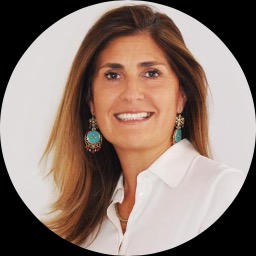
Susana Mejia-Vargas is a Licensed Clinical Social Worker (LCSW) practicing in Florida with four years of experience. She works in both English and Spanish and focuses on challenges such as unresolved trauma, anxiety, stress, grief, family concerns, and low self-esteem.
She explains that trauma can show up as hopelessness, sleep problems, constant irritability, or trouble managing day-to-day stress. Susana helps clients name how traumatic events are affecting emotions and behavior. She combines listening with clinical judgment while treating each person as the expert on their life.
Her work draws on evidence-based therapeutic techniques. She uses psychotherapy alongside cognitive behavioral and dialectical behavioral approaches, narrative methods, and motivational strategies to address how people think, feel, and act. Sessions often include talking through reactions, practicing different ways of managing strong emotions, and looking at the stories people tell about themselves.
Susana brings particular experience with adoption and foster care related issues. She notes challenges such as grief, identity concerns, attachment difficulties, and cultural questions that can arise for adoptees and adopting families. She also supports people struggling with family conflict, communication problems, caregiver stress, and the effects of past abuse.
Her style emphasizes clear communication and active listening. She aims to help clients build coping skills, strengthen supportive connections, and find practical steps to manage mood shifts and stress. To start working together, users follow the site matching steps and schedule a first appointment.
How therapeutic approaches are used in online sessions
Susana lists several evidence-based techniques she draws on. Cognitive behavioral therapy focuses on identifying and changing the thoughts and behaviors that keep low mood or anxiety in place; sessions often include practical exercises and homework to try between meetings. Dialectical behavioral therapy teaches specific emotion regulation and distress tolerance skills to reduce intense reactivity and improve coping. Narrative therapy looks at the stories people tell about themselves and helps rewrite problem-focused narratives into more balanced ones.Finding the right approach is part of the work. She will collaborate with each person to choose methods that match their needs, goals, and preferences. That means trying techniques, checking what helps, and adjusting the plan together as progress unfolds.
The biography does not list specific session formats, so confirm the available options before booking. Online sessions can make it easier to fit therapy into a busy day, reduce travel time, and allow shorter check-ins when needed. Phone sessions use less bandwidth and can be a good choice for quick updates, while video sessions enable face-to-face interaction for practicing skills and communication work. Ask about the current session formats when you schedule to learn what will work best for your situation.
Areas of expertise
Primary focus
Additional focus areas
Experience
4+ years
Credentials
Florida
Languages
English, Spanish
Frequently asked questions
What concerns does she address?
Focus areas include trauma, anxiety, stress, grief, family problems, and self-esteem issues. Additional topics listed are attachment, adoption and foster care challenges, caregiver stress, and communication problems.
What methods does she use in sessions?
She uses evidence-based therapeutic techniques such as psychotherapy, cognitive behavioral therapy, dialectical behavioral therapy, narrative therapy, and motivational therapy. These approaches aim to change unhelpful thinking patterns, regulate emotions, and reframe personal narratives.
How much experience does she have?
She has four years of clinical experience working as an LCSW. That background includes focused work with adoptees and adopting families facing grief, attachment, and identity concerns.
What are her credentials and where is she based?
She is a Licensed Clinical Social Worker (LCSW) licensed in Florida. Her practice is listed as located in Florida.
Which languages are supported during sessions?
Sessions are offered in English and Spanish. International clients are not currently accepted.
What session formats are available?
The original biography does not specify session formats. Confirm the current session options before booking to know whether sessions are video, phone, or in-person.
How does the cost work?
Session cost varies with location and the service uses a subscription model that can be canceled at any time. Confirm specific pricing during the booking process.
What should I do to begin?
Use the See online therapy options button, complete the short matching questionnaire, and schedule your first session through the site.
Before you reach out
- Check that the state license on record covers the state you live in.
- You do not need a diagnosis or the right words. Saying "my mood has been up and down" or "I have felt low for weeks" is a fine place to start.
- Counselors offer talking support. Questions about medication belong with a doctor or psychiatrist, and the two can go side by side.
- A profile shows the topics a counselor lists; it is not a diagnosis or a promise of any result.
If you feel unsafe right now, call or text 988, or call 911.