- Depression
- Anxiety
- CBT
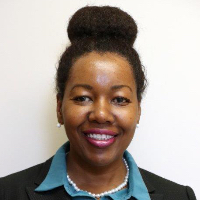
About Tamara
Dr. Tamara Woods is an LCSW (Licensed Clinical Social Worker) with 14 years of clinical experience in North Carolina. She helps adults facing mood-related concerns such as depression, bipolar mood swings, and anxiety, along with relationship stress, grief, and issues like anger and low self-esteem.
She uses straightforward, practical conversations to help people sort through what feels overwhelming. Sessions focus on identifying patterns, testing small changes, and setting clear, manageable goals. That work can include looking at how attachment and past relationships affect current mood and behavior.
Dr. Woods combines several approaches to suit different needs. Cognitive Behavioral Therapy (CBT) is used to spot and shift unhelpful thinking and behavior. Solution-Focused Therapy supports quick goal-setting and progress checks. Client-Centered methods make room for the person's perspective to guide the pace and focus.
Her background includes long-term work with adults and involvement with family-related concerns such as parenting stress, blended family issues, adoption and foster care, and caregiver strain. She also supports people dealing with addiction, trauma and abuse, and issues related to identity and intimacy.
Sessions aim to be practical and paced to what each person can handle. The emphasis is on clear steps people can try between meetings and adjusting plans as progress or setbacks appear.
How her approaches translate to online sessions
Dr. Woods commonly uses Cognitive Behavioral Therapy to help identify unhelpful thoughts and behaviors and test small changes. CBT can help with persistent low mood, anxiety, and managing bipolar patterns by breaking problems into concrete steps.She also uses Attachment-Based ideas to look at how past relationships influence present mood and intimacy. These conversations help people notice patterns in close relationships and try new ways of relating. Solution-Focused Therapy is used to set short-term goals and track progress, which can be useful when someone needs clear next steps during a difficult period.
Finding the right approach is collaborative. She will work with each person to decide whether CBT, attachment-focused work, or solution-focused plans fit best based on goals and preferences. The plan can be adjusted as needs change.
Session logistics should be confirmed before booking since specific formats are not listed here. In general, online sessions can make it easier to fit meetings into a busy day, allow for shorter check-ins when needed, and reduce travel time. People often find online work helpful for maintaining momentum between in-person appointments or when coordinating care across locations.
Areas of expertise
Primary focus
Also works with
Additional focus areas
Therapeutic approaches
Experience
14+ years
Credentials
Georgia, North Carolina
Languages
English
Frequently asked questions
What kinds of mood concerns are addressed?
She works with depression, bipolar mood swings, anxiety, and related problems such as low self-esteem and anger.
What approaches does she use in sessions?
She blends Cognitive Behavioral Therapy, Solution-Focused Therapy, Client-Centered techniques, and Motivational Interviewing to match what each person needs.
How much clinical experience does she have?
Dr. Woods has 14 years of clinical experience as an LCSW and over 20 years working with families in various roles.
What credentials and location are listed?
She is listed as LCSW, CSW with licensure in North Carolina.
Are sessions available in other languages?
Sessions are offered in English.
What session formats are offered?
Session formats are not specified here; please confirm current session options before booking.
How are fees handled?
Cost varies by location and sessions use a subscription that can be canceled at any time.
How do I begin working with her?
Select the See online therapy options button, complete the short matching questionnaire, and schedule a first session.
Before you reach out
- Check that the state license on record covers the state you live in.
- You do not need a diagnosis or the right words. Saying "my mood has been up and down" or "I have felt low for weeks" is a fine place to start.
- Counselors offer talking support. Questions about medication belong with a doctor or psychiatrist, and the two can go side by side.
- A profile shows the topics a counselor lists; it is not a diagnosis or a promise of any result.
If you feel unsafe right now, call or text 988, or call 911.