- ACT
- CBT
- EFT
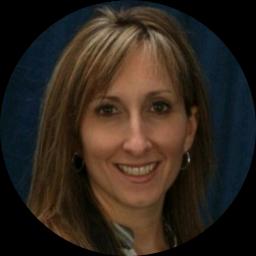
About Wendy
Wendy Kraszewski is a Licensed Clinical Social Worker (LCSW) in Florida with 12 years of experience. She works with adults on relationship strain, grief, career questions, coping with life changes, and coaching concerns. Wendy also lists mood disorders among her focus areas and helps people facing panic, trauma, and isolation.
Wendy prefers straightforward sessions where people can speak openly about what is worrying them. She uses clear, evidence-based methods such as cognitive behavioral techniques and acceptance-based approaches to address upsetting thoughts and patterns. Sessions aim to identify small, practical steps to reduce overwhelm and strengthen daily functioning.
Her work often centers on attachment and communication problems. She helps clients who are dealing with abandonment, divorce, caregiving stress, or chronic illness to sort out immediate problems and plan next steps. When grief or end-of-life issues come up, she focuses on managing emotions and practical decisions.
Wendy draws on emotionally focused and existential ideas when conversations turn to meaning, life purpose, or deep relational pain. Those approaches are used to help people name feelings and make values-based choices. She balances here-and-now skill building with space to look at bigger life questions.
Sessions are generally conversational and goal-oriented. People can expect a mix of listening, reflective feedback, and exercises to try between meetings. To begin, clients follow the site process to indicate their needs and schedule a first session.
How Wendy’s approaches translate to online sessions
Wendy commonly uses Acceptance and Commitment Therapy and Cognitive Behavioral Therapy in her work. ACT focuses on identifying values and taking small, committed actions even when uncomfortable feelings appear, which can help with low mood and life changes. CBT looks at the links between thoughts, feelings, and behaviors and teaches practical skills to reduce unhelpful thinking and increase coping skills.She also draws on Emotionally-Focused Therapy when relationship patterns and attachment issues are central. EFT helps people name emotional responses and learn different ways to communicate and connect. Together these approaches give both short-term skills and a chance to address deeper relational themes.
Finding the right approach is part of the process. Wendy will work collaboratively to match methods to a person’s goals and preferences and may blend techniques as needed. Clients and the therapist decide together what feels most useful as sessions continue.
The listing does not specify session formats, so confirm current online options before booking. Online work can make it easier to fit brief check-ins or evening appointments into a busy week, allow sessions when travel would be difficult, or let people choose less camera-intensive check-ins depending on needs. Ask about specific session formats during the matching and scheduling steps.
Areas of expertise
Primary focus
Additional focus areas
Therapeutic approaches
Experience
12+ years
Credentials
Florida
Languages
English
Frequently asked questions
What concerns does she address?
Wendy works with relationship issues, grief, career transitions, coping with life changes, and mood disorders among other concerns.
What methods does she use in sessions?
She uses approaches including Acceptance and Commitment Therapy, Client-Centered Therapy, Cognitive Behavioral Therapy, Emotionally-Focused Therapy, and Existential Therapy in practical ways.
How much clinical experience does she have?
She has 12 years of professional experience working with adults on stress, grief, motivation, and related difficulties.
What are her credentials and location?
She is an LCSW licensed in Florida and practices with that credential.
Which languages are supported?
Sessions are offered in English.
Does she work with international clients?
She does not accept international clients currently.
How are sessions billed?
Cost varies with location and services; sessions use a subscription that can be canceled at any time.
How do I start a first session?
Select the See online therapy options button, complete a short matching questionnaire, and schedule your first session.
Before you reach out
- Check that the state license on record covers the state you live in.
- You do not need a diagnosis or the right words. Saying "my mood has been up and down" or "I have felt low for weeks" is a fine place to start.
- Counselors offer talking support. Questions about medication belong with a doctor or psychiatrist, and the two can go side by side.
- A profile shows the topics a counselor lists; it is not a diagnosis or a promise of any result.
If you feel unsafe right now, call or text 988, or call 911.